Locksmith in Brampton, OntarioMoving out?Hand over a clean slate.
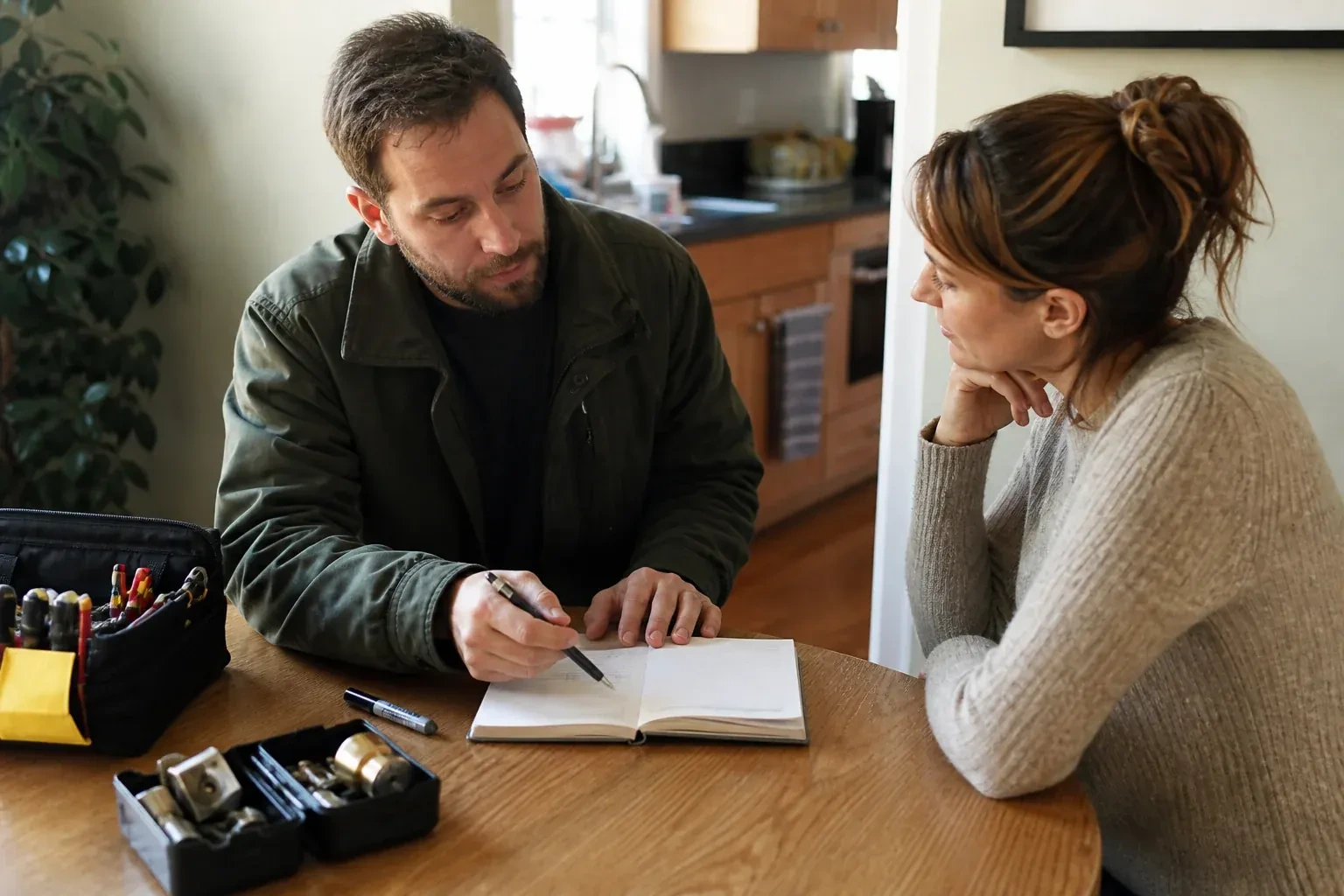
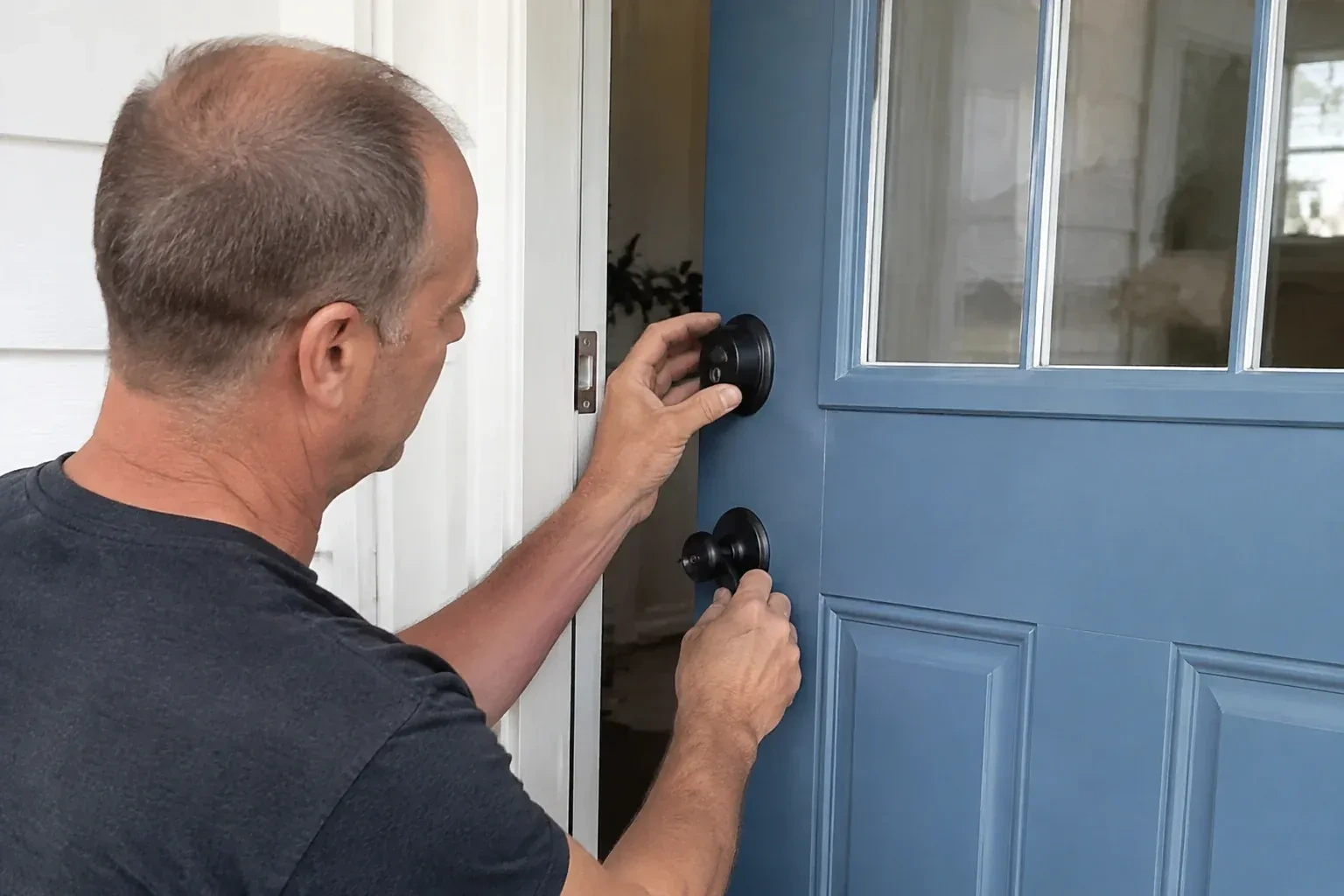
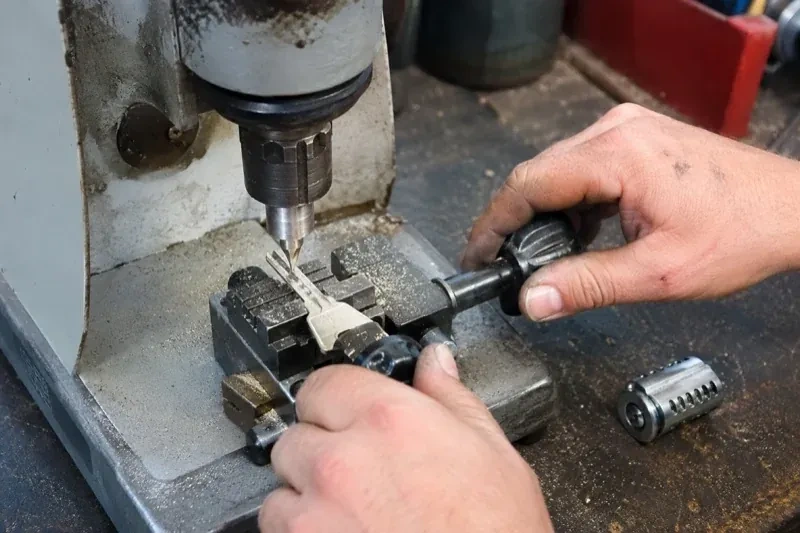
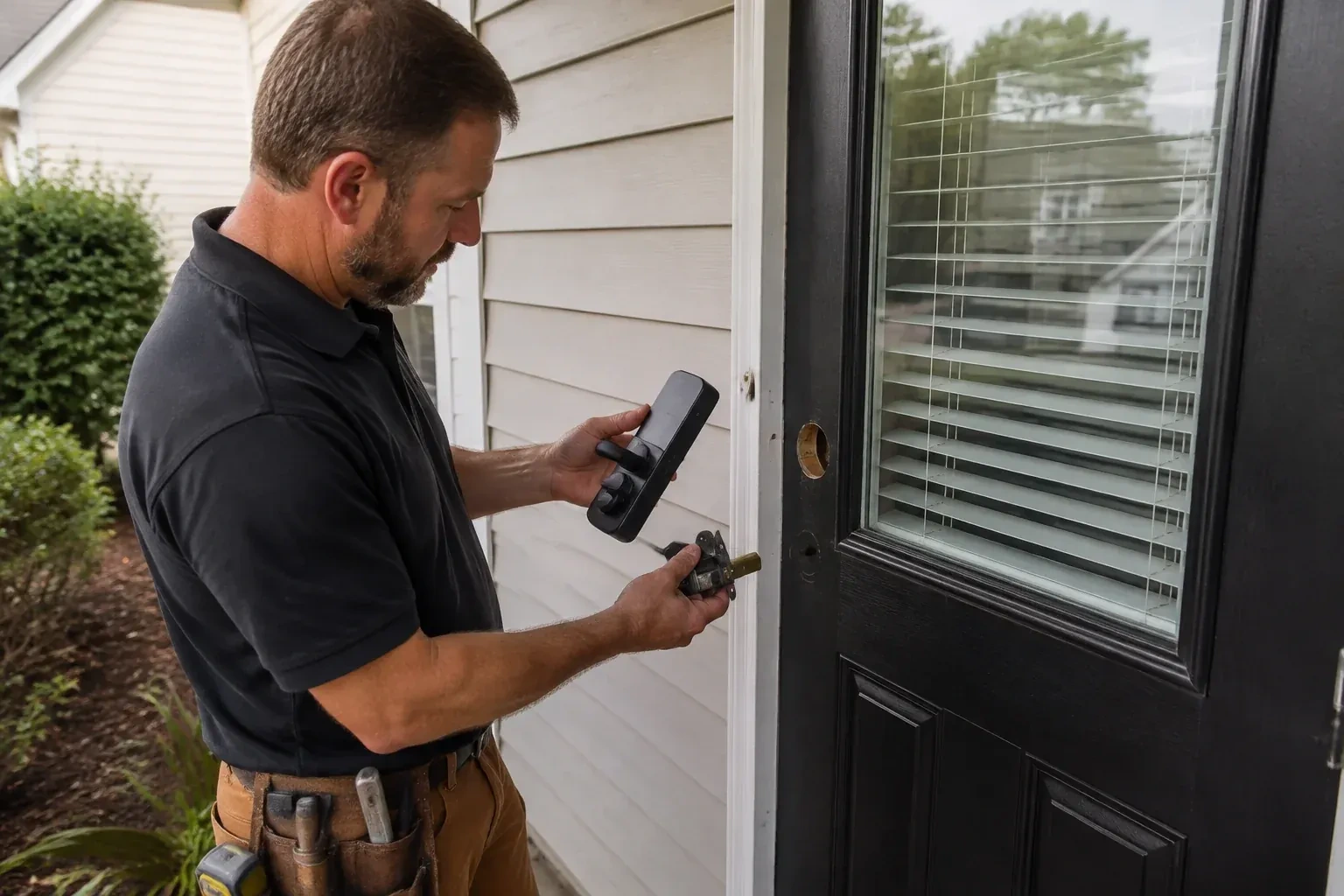
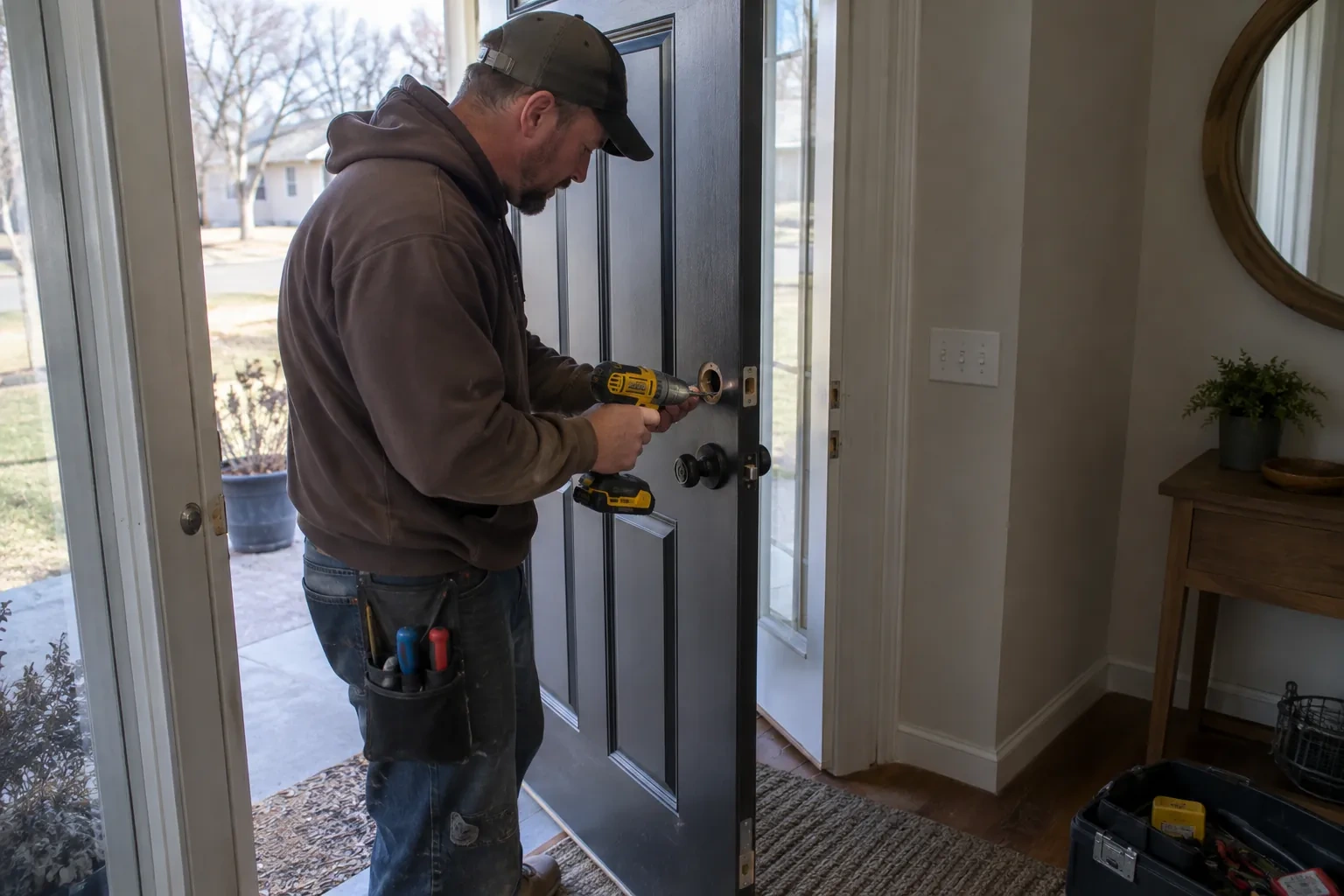
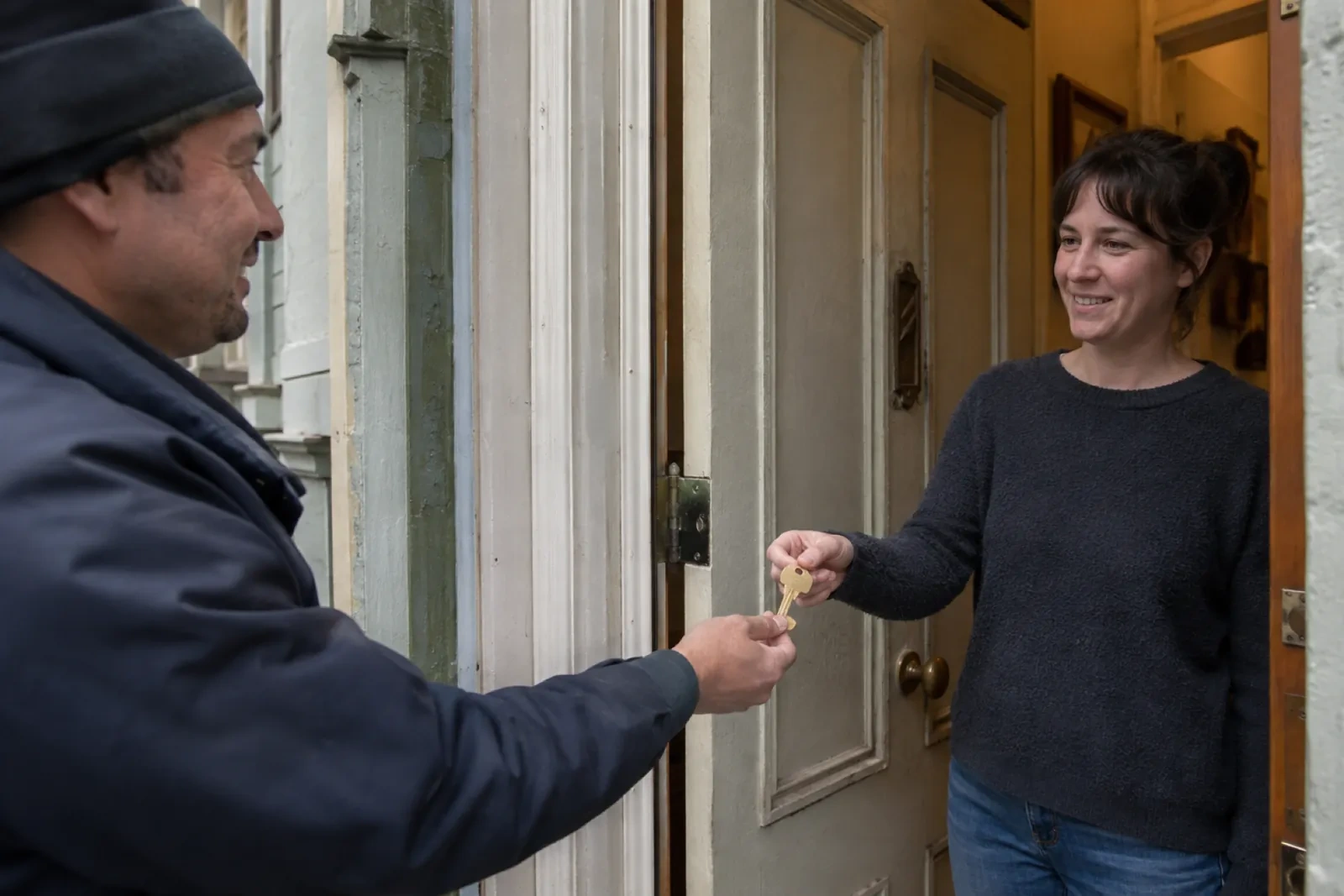
Selling or handing back a property in Brampton goes more smoothly when the locks are fresh and every key accounted for. We rekey the exterior doors, gather the old keys, cut the set the next people will need, and give you a short written record to pass along with the paperwork.
Selling or handing back a property in Brampton goes more smoothly when the locks are fresh and every key accounted for. We rekey the exterior doors, gather the old keys, cut the set the next people will need, and give you a short written record to pass along with the paperwork.
Plain talk, tidy work.
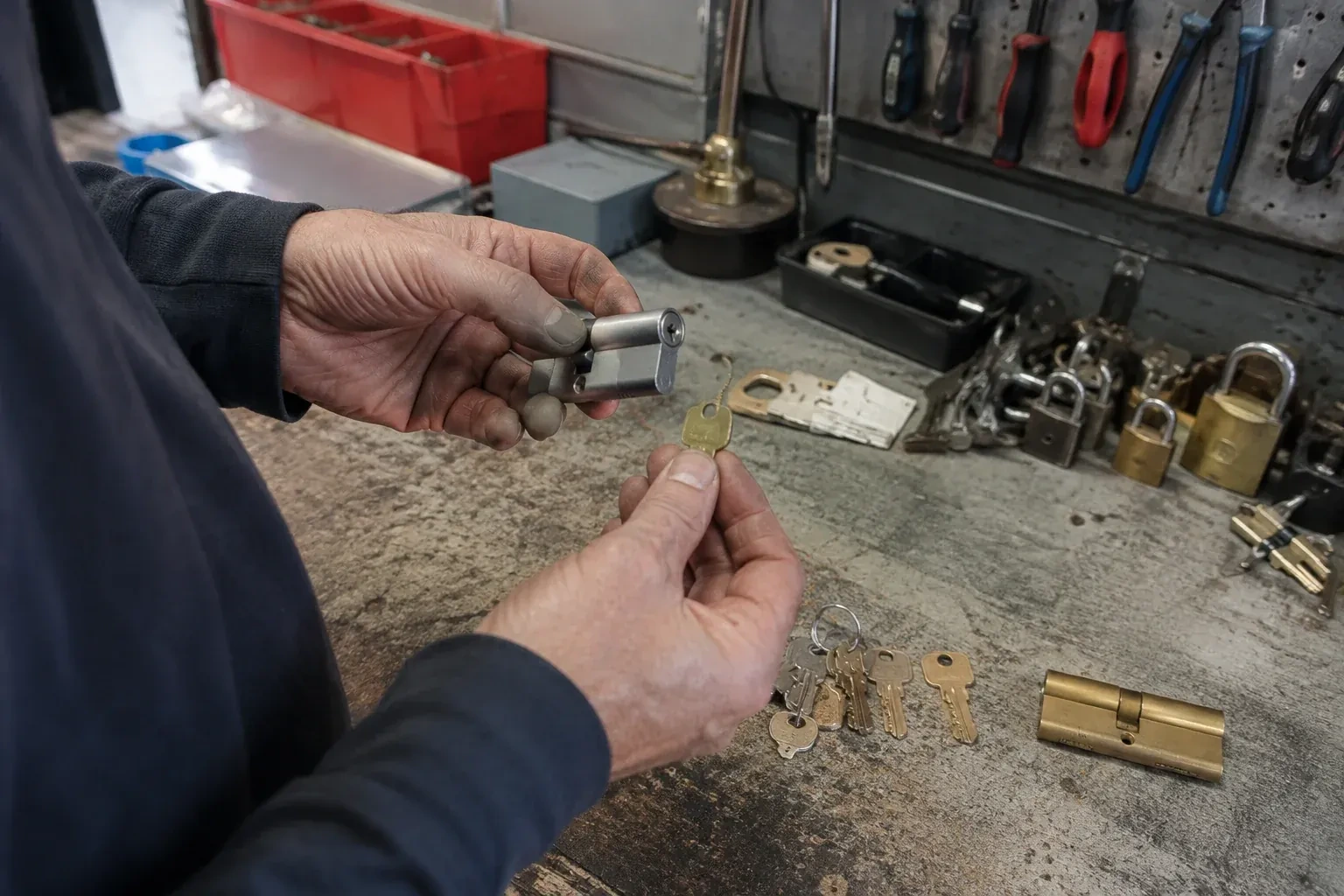
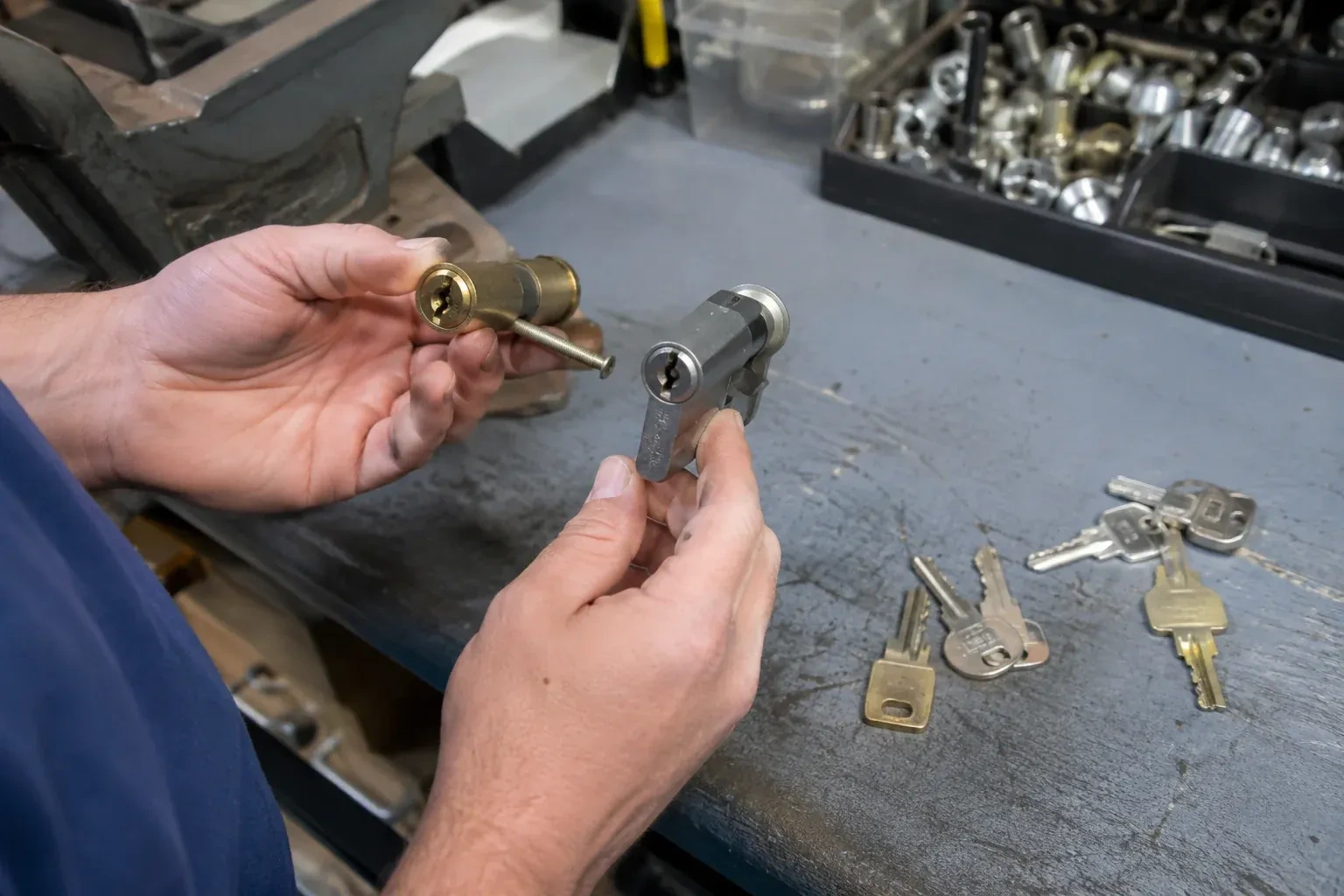
Households in Brampton often collect locks from different decades that all take different keys. We rekey them to a single key where the hardware allows, replace the one or two that cannot be matched, and set up a spare that lives somewhere sensible. You leave with a lighter ring and a clear idea of which key does what.
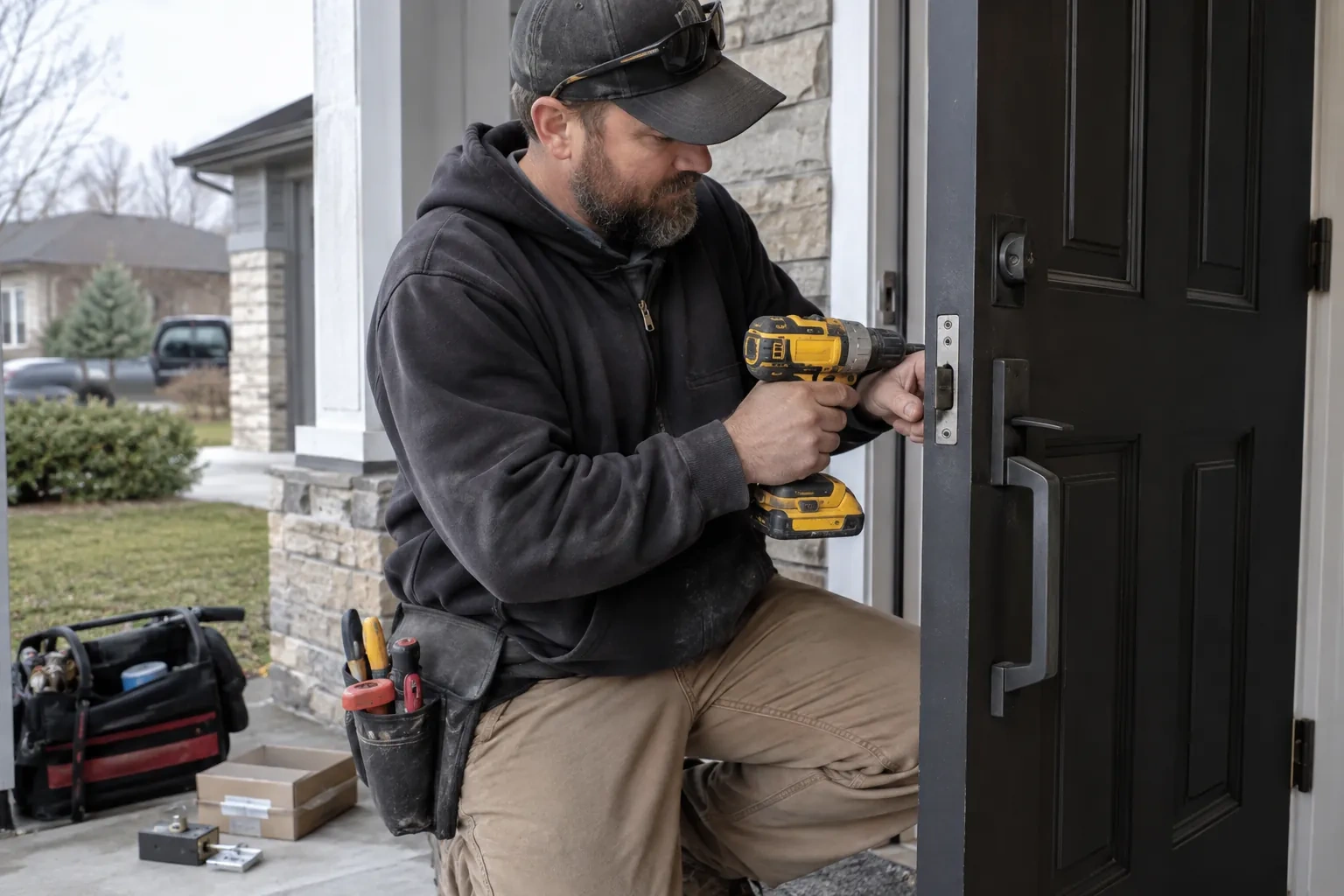
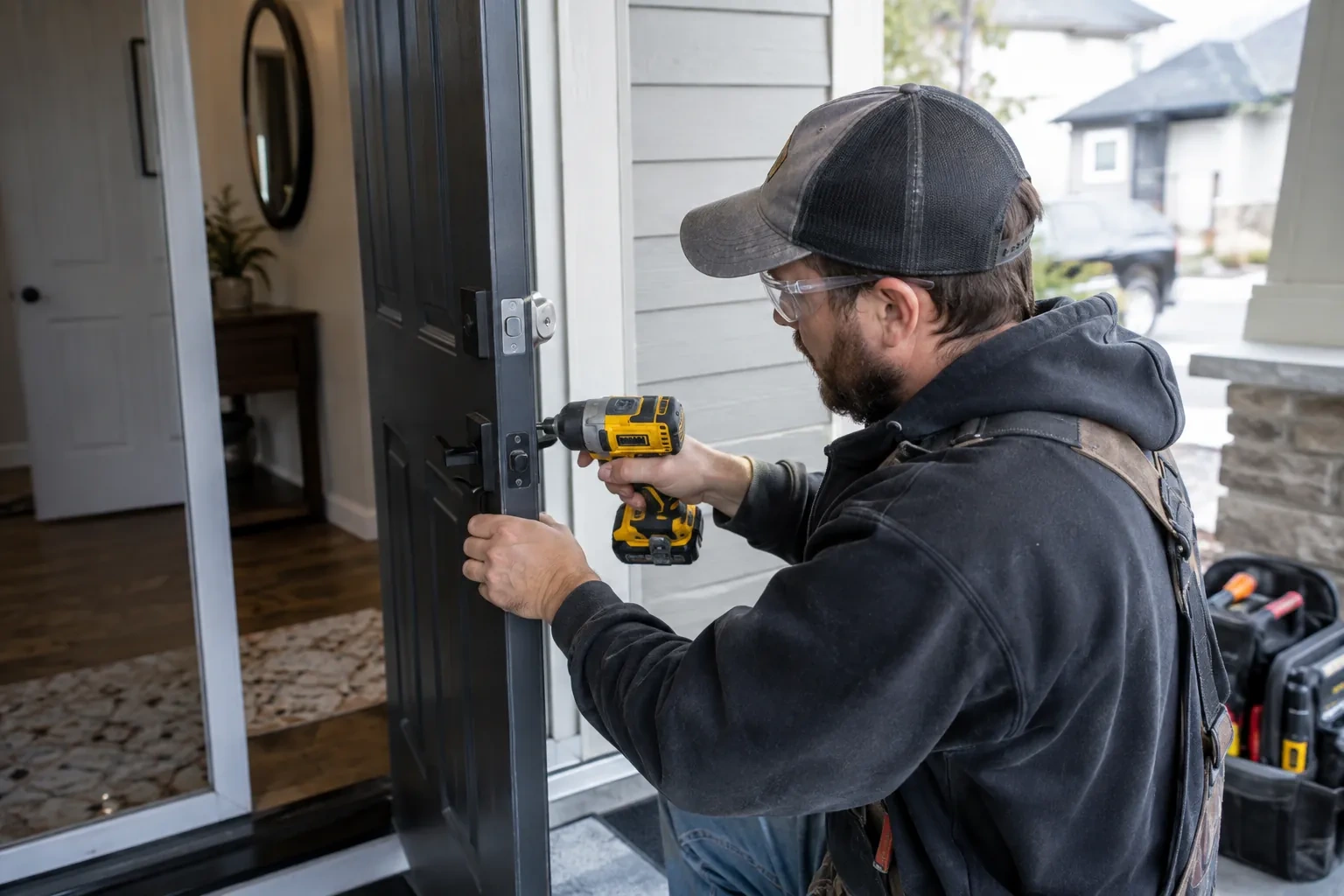
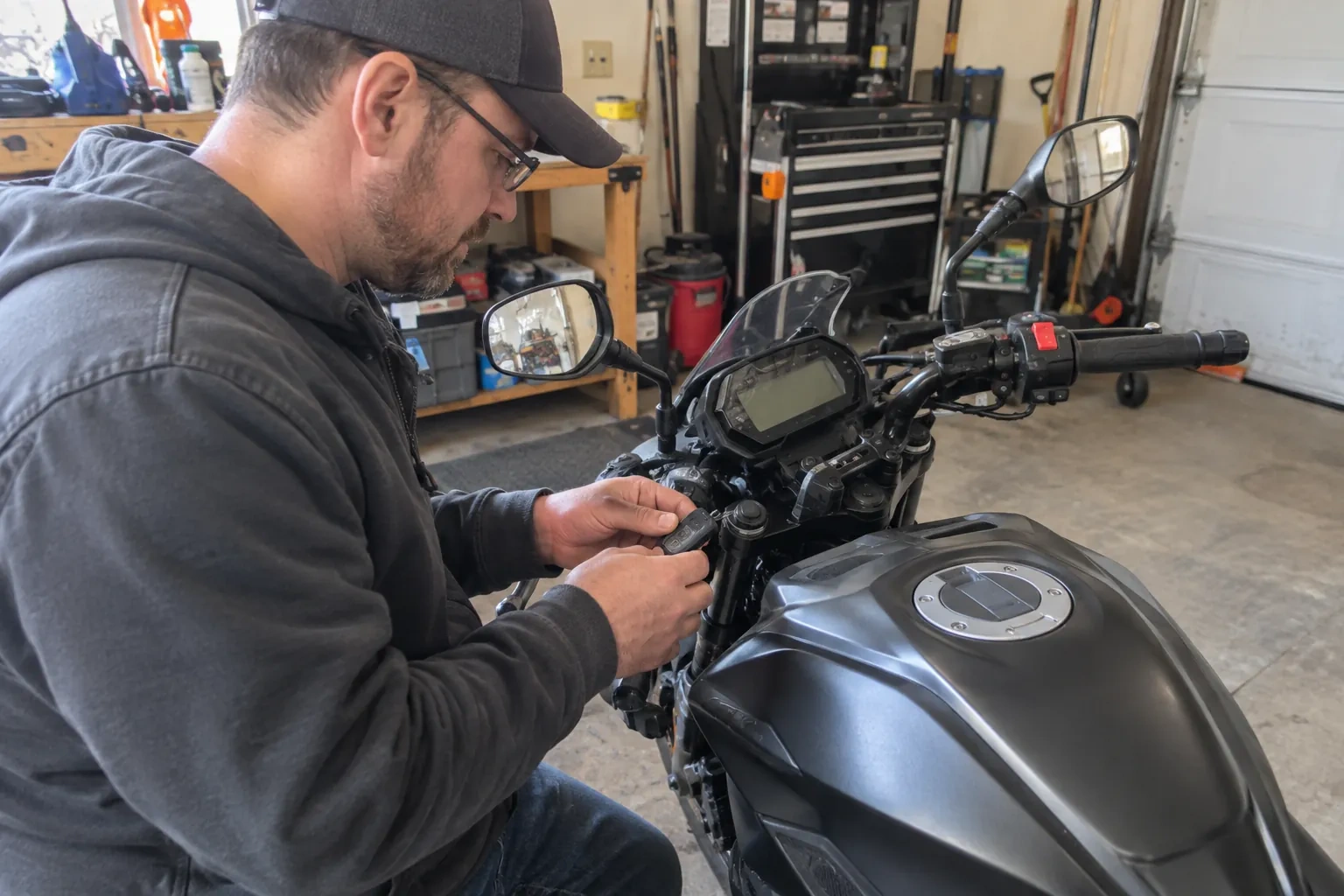
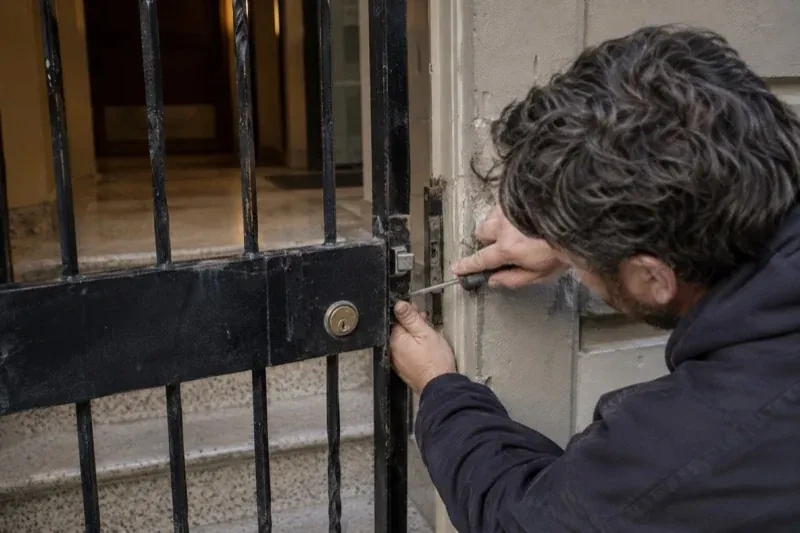
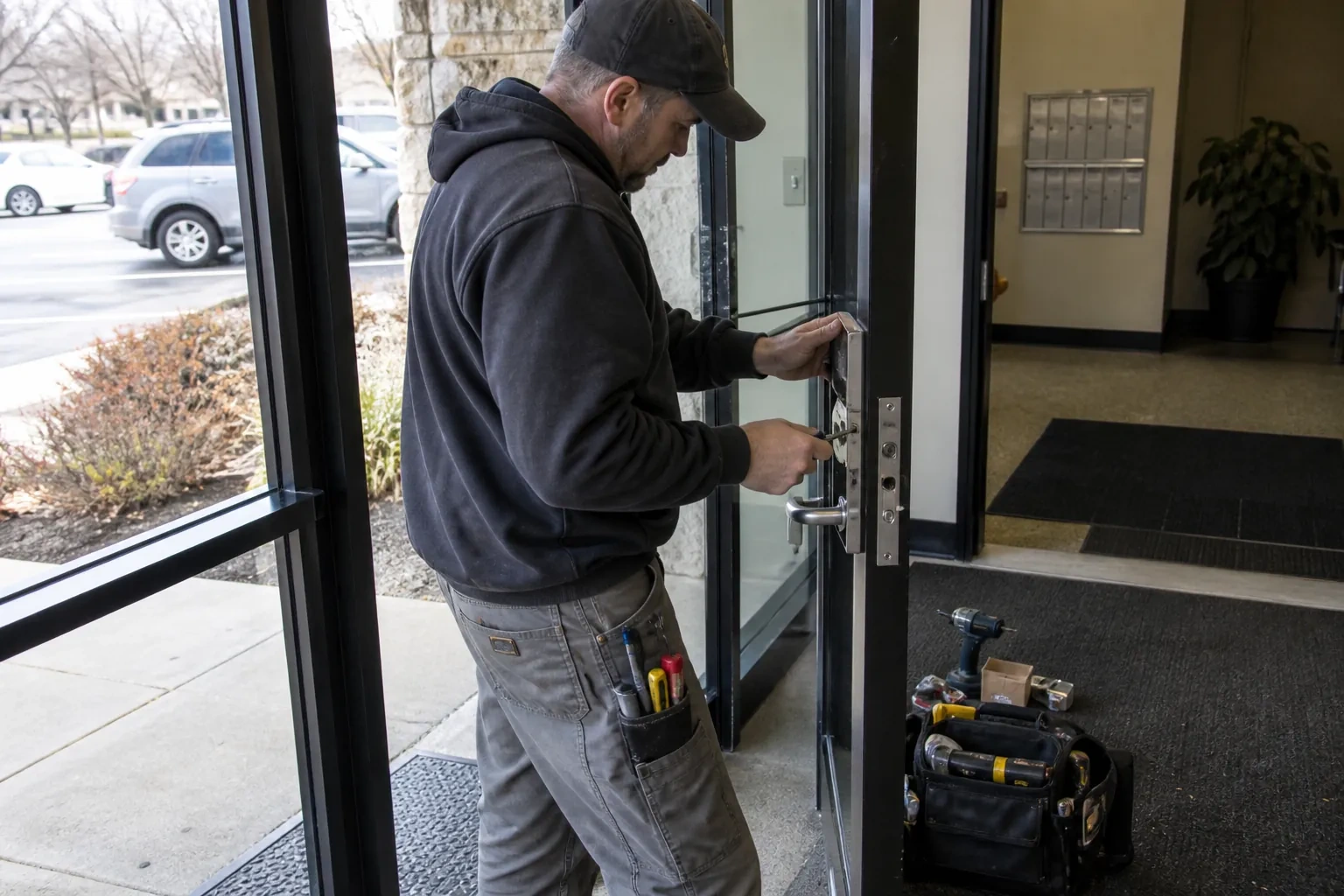
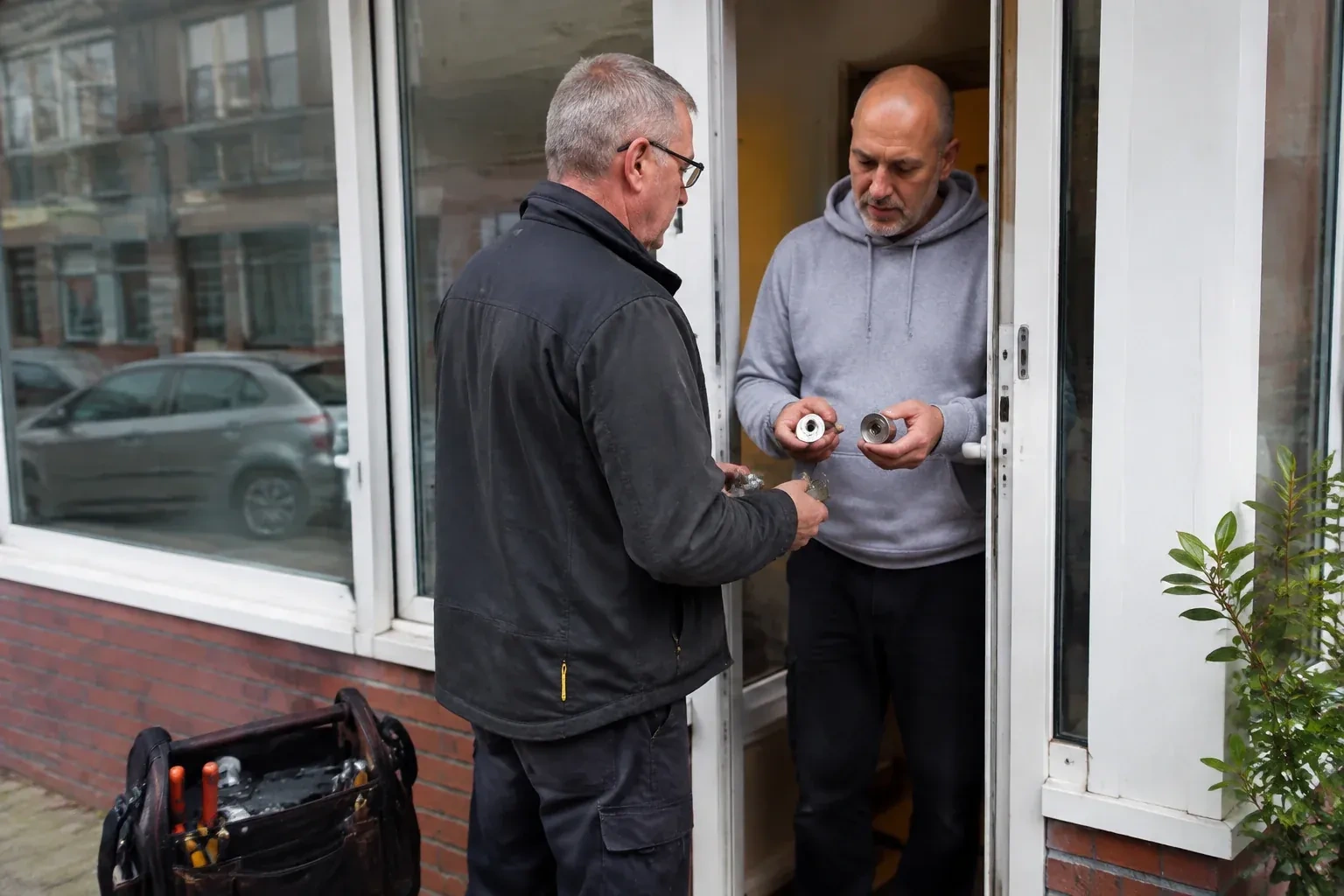
We serve Brampton from a van stocked for three kinds of door: the front door of a home, the back door of a business and the driver's door of a vehicle. Different tools, one approach. We confirm you are entitled to access, explain the plan, do the work cleanly and test every key and lock before we consider the visit finished.
18years in business
24/7open every day
Clear about who can get in. After any rekey or replacement we tell you exactly which keys work and how many copies exist. Key control is the point, and you should have the full picture.
Careful with the building. We protect floors and finishes, work around your day where we can, and treat a shop or office with the same care as a home.
The choice explained in your terms. Rather than product names, we talk about what each option means for you: who has access, how it copes with weather, how easy it is to change later.
A locksmith's week in Brampton is a mix of small fixes and bigger decisions. A cylinder rekeyed after a lost key, a deadbolt added to a door that never had one, a shop rekeyed after staff changes, a safe that finally opens. The pages below describe each service and how the visit usually goes.
About 23% of homes in Brampton were built in 1980 or earlier, according to the 2021 Census.
Newer homes
In areas of recent construction, doors mostly carry builder-grade locks that were chosen for the whole development at once. They work, but a household that wants more can upgrade the cylinder or the whole set without any surprises about fit.
Single-detached houses make up about 53% of homes in Brampton (2021 Census).
Mixed housing means a locksmith sees a bungalow in the morning and a condo tower in the afternoon. The stocked van has house-door deadbolts, suite-door cylinders and the finishes for each, so neither kind of customer waits for a second visit.
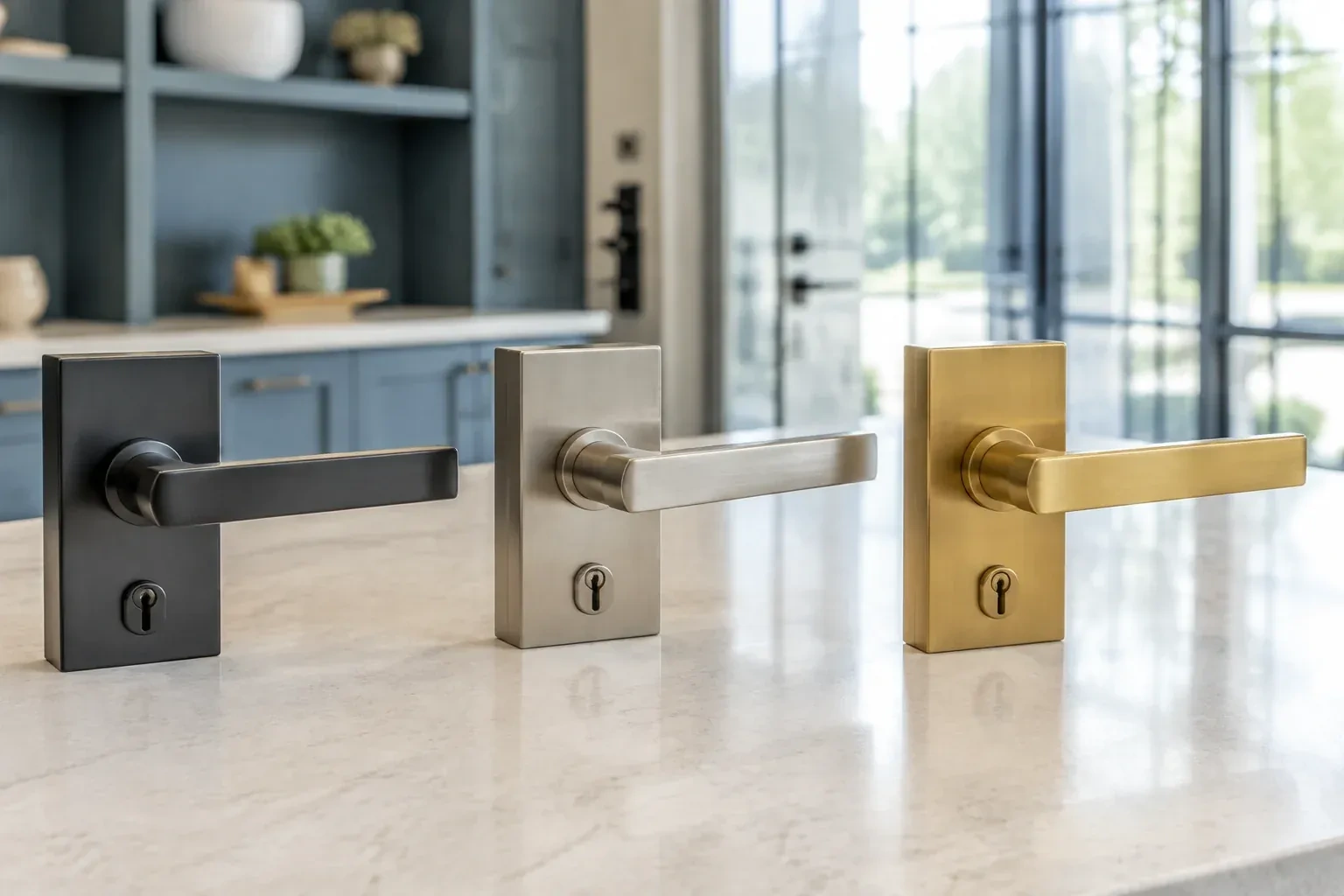
The services here cover upgraded cylinders that retrofit into existing locks, heavier deadbolts, reinforced strikes and door edges, and patented or restricted key systems for one door or a whole building. Each page describes the visit and what you have afterwards.
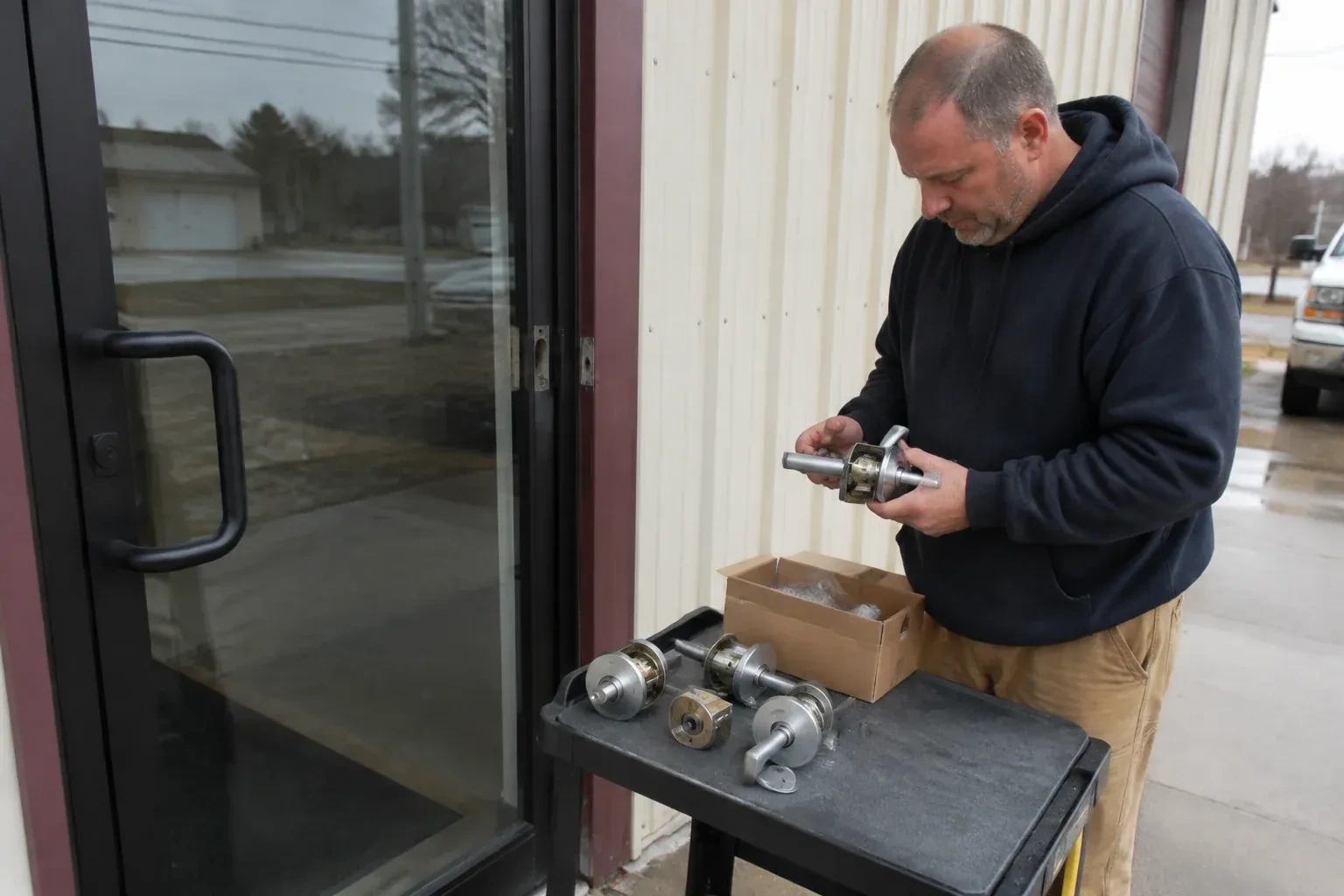
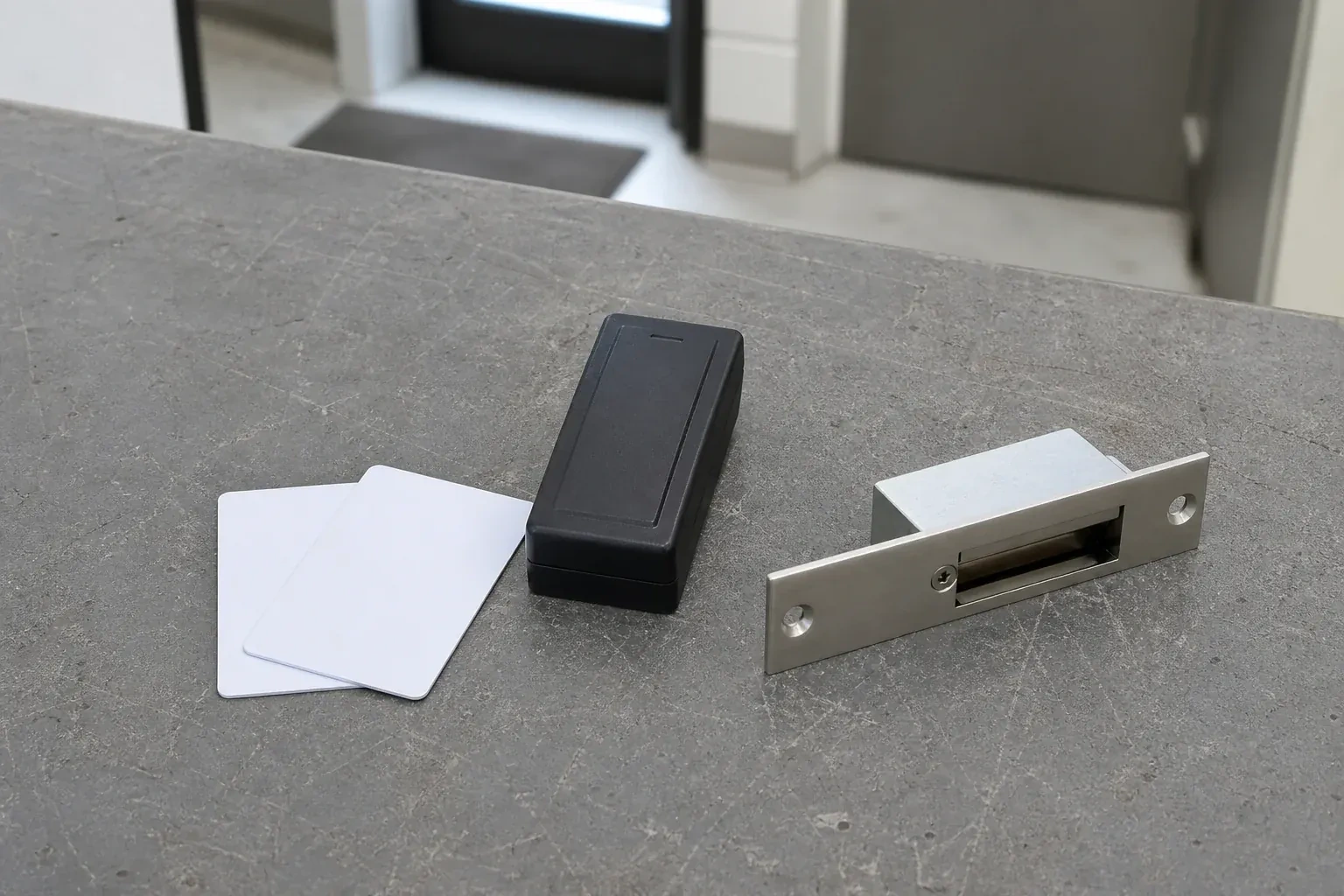
Small businesses often run on one key that everyone has a copy of. It works until it does not. The commercial pages explain the steps up from that: rekeying to a known set, a master system, then keypads or cards when keys become more trouble than they are worth.
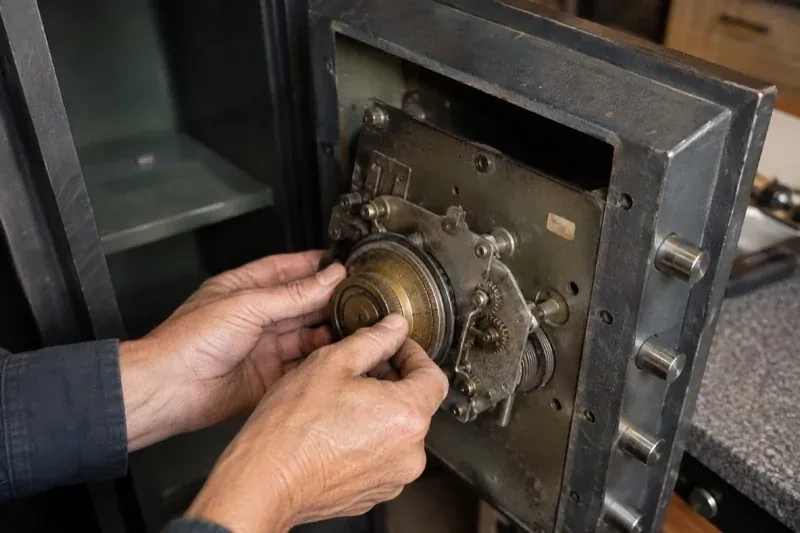
A safe sat in a late parent's basement for years, its combination known to nobody left in the family, and everyone would like to know what is actually inside it.
Behind the filing cabinets sits a heavy floor safe nobody ever bolted down, left exactly as the last owner set it. It opens fine, but a determined pair of hands could simply tip it into a van.
Which fix fits?
Every copy of your house key seems to work a little differently.
WhyChanging the locks answers today's question; key control keeps it answered.
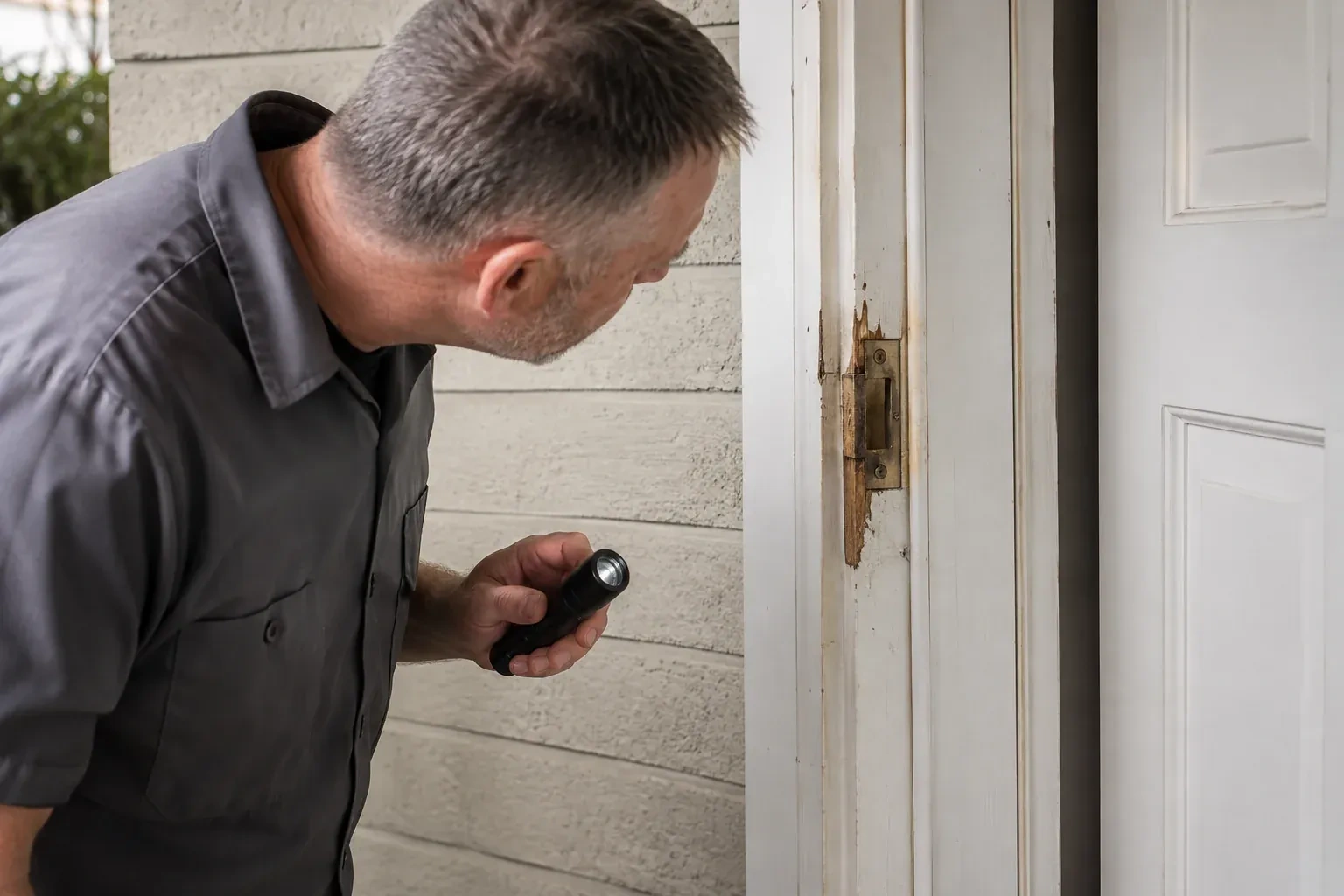
Overnight someone forced the back door, and the cylinder face is scarred, the metal around the strike has pulled loose from the frame, and the latch no longer sits flush.
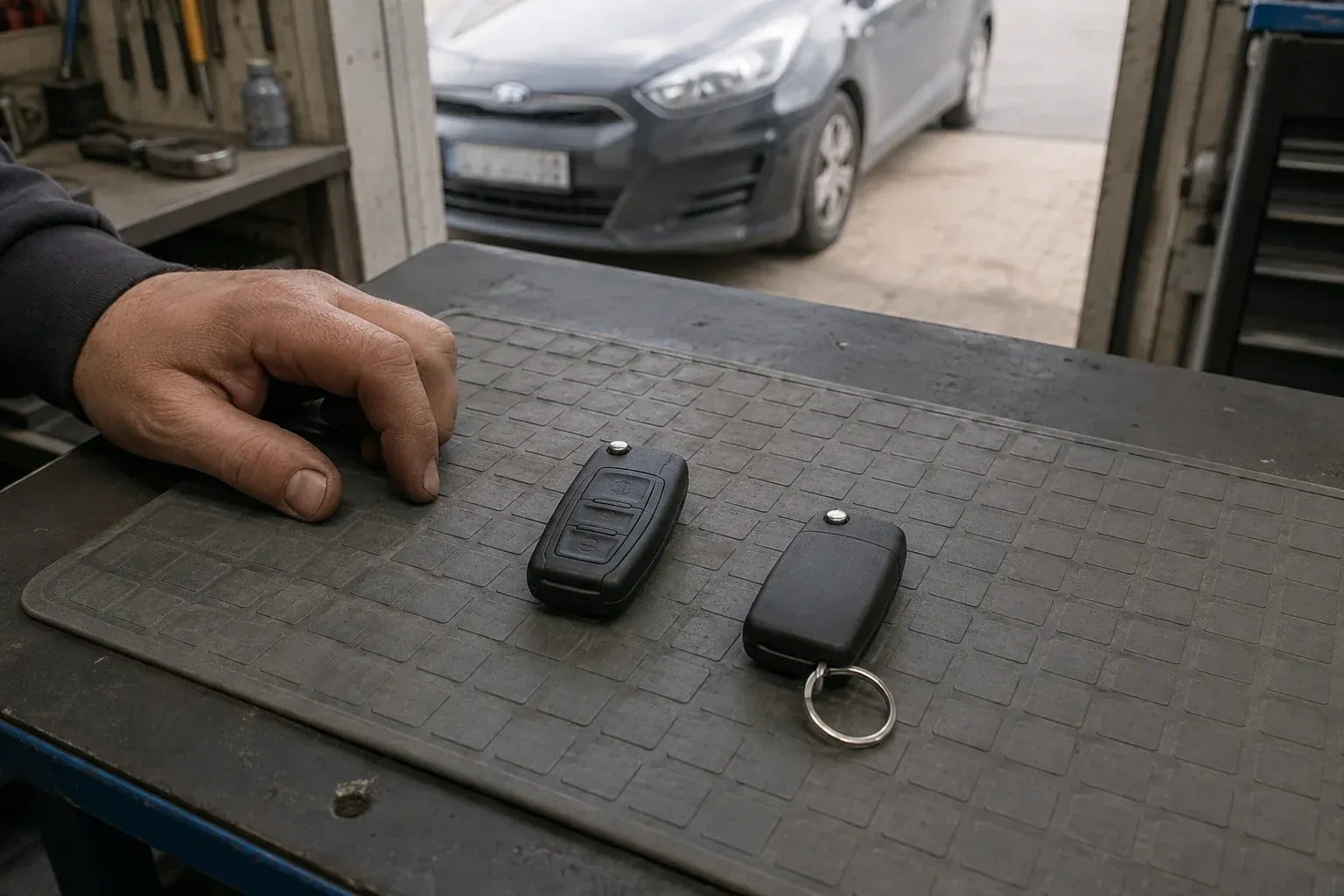
WhySome vehicle lock faults are entirely mechanical, a cylinder worn from years of use, a linkage rod that slipped off its clip, while others sit in the electrical side: a tired actuator motor, a corroded connector, or a coin battery inside the key fob that has finally run flat.
After a winter under a cover, the steering lock will not budge.
Every copy of your house key seems to work a little differently. One needs a jiggle, another sticks halfway, and the original wore down years ago. The lock itself is fine; the keys have drifted so far from each other that none fits cleanly.
You moved in three weeks ago. The previous owner left a handful of keys, none labelled, and the bolt on the side door rattles in its housing. You would like every exterior door to bolt, and to know exactly who can open it.
The restricted keys you bought years ago are no longer restricted; the locksmith mentioned the patent has run out and blanks are sold openly. Your key control quietly stopped being control.
A key turned up in the parking lot with the shop's name on its fob. It came back to you, which is lucky, but it means keys are leaving the building on rings you have never seen, and the shop's locks have not changed since opening day.
Overnight someone forced the back door, and the cylinder face is scarred, the metal around the strike has pulled loose from the frame, and the latch no longer sits flush.
After fifteen years the blade has worn to a smooth sliver. It needs a jiggle in the ignition most mornings, this week it took three tries, and a copy cut from that same worn key would only carry the wear forward.
The remote clicks the way it always has, but the vehicle no longer locks, unlocks or answers with its usual chirp. Nothing on the dash reacts either. A fading battery inside the fob is the likely reason, even though the fob itself looks and feels completely normal.
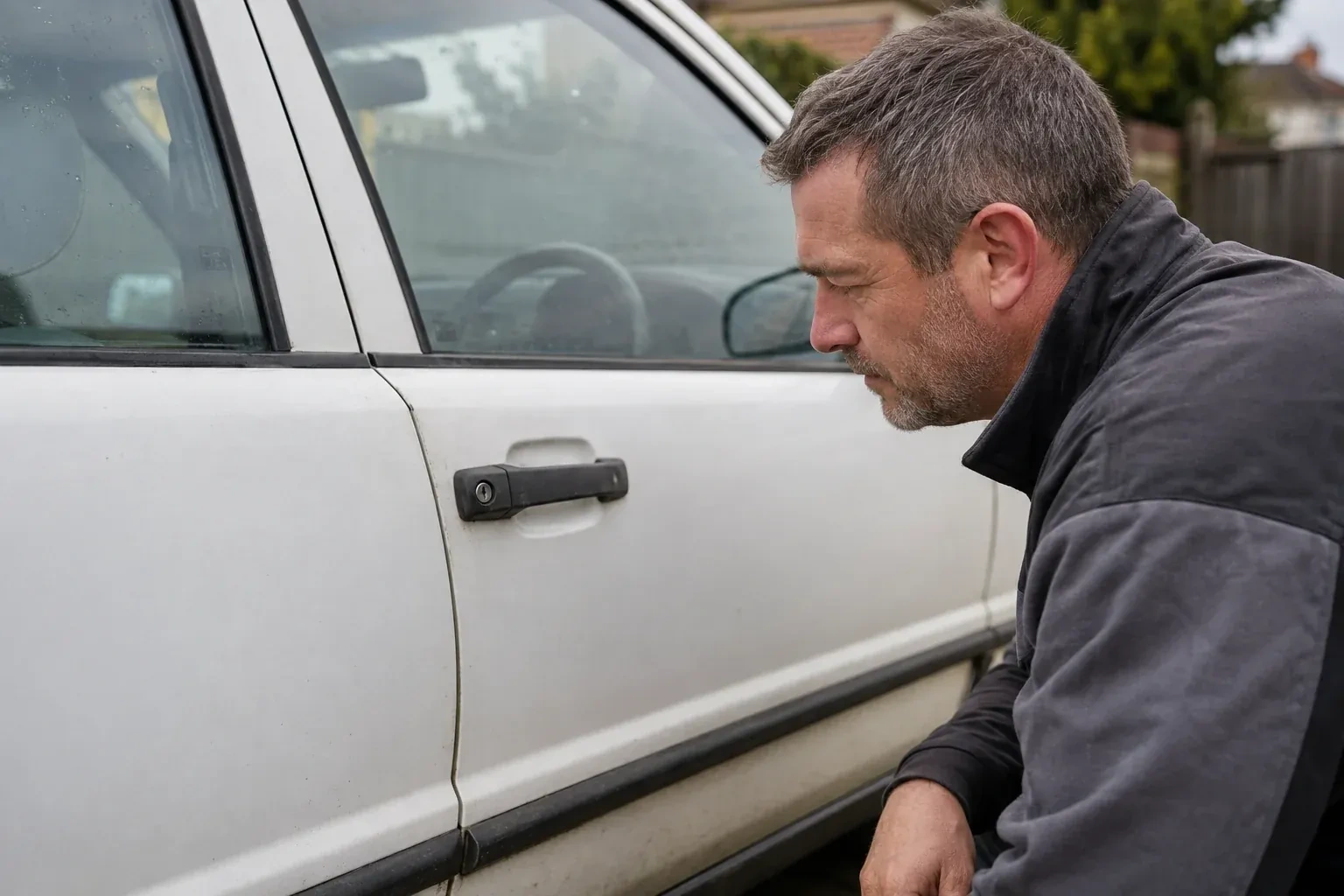
Your key turns smoothly in the driver's door, the same as it always has, but the button underneath stays down and the latch never releases. The passenger side opens without any trouble, so the key itself is clearly not the source of the trouble.
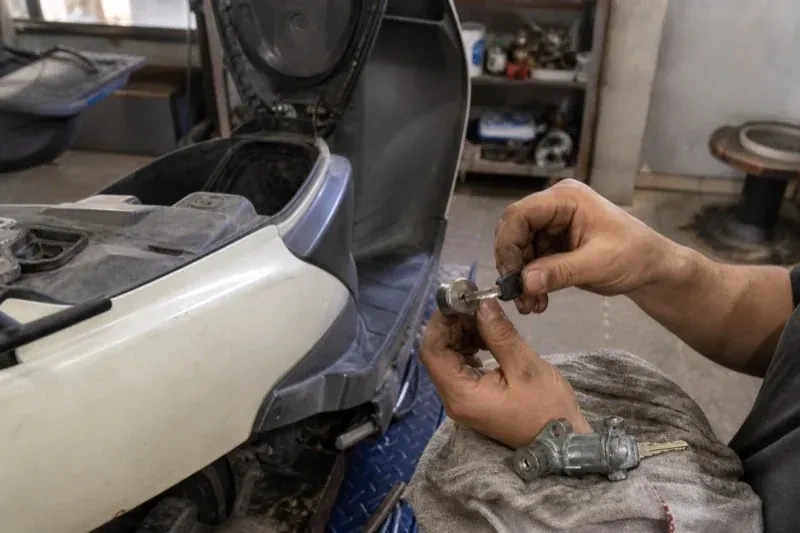
After a winter under a cover, the steering lock will not budge. The key seats fully in the barrel, but turning it meets a wall of resistance that no amount of wiggling moves past.
It scales with the number of cylinders and how many need attention beyond pinning. A single deadbolt is a short bench job; a whole house with five or six exterior cylinders, a couple of swaps for mismatched keyways and a set of spares to cut and test takes a good deal longer. Tell the locksmith how many doors you want included when you book, and the visit can be planned realistically rather than guessed at.
Can a keypad or smart deadbolt be fitted instead of a keyed one?
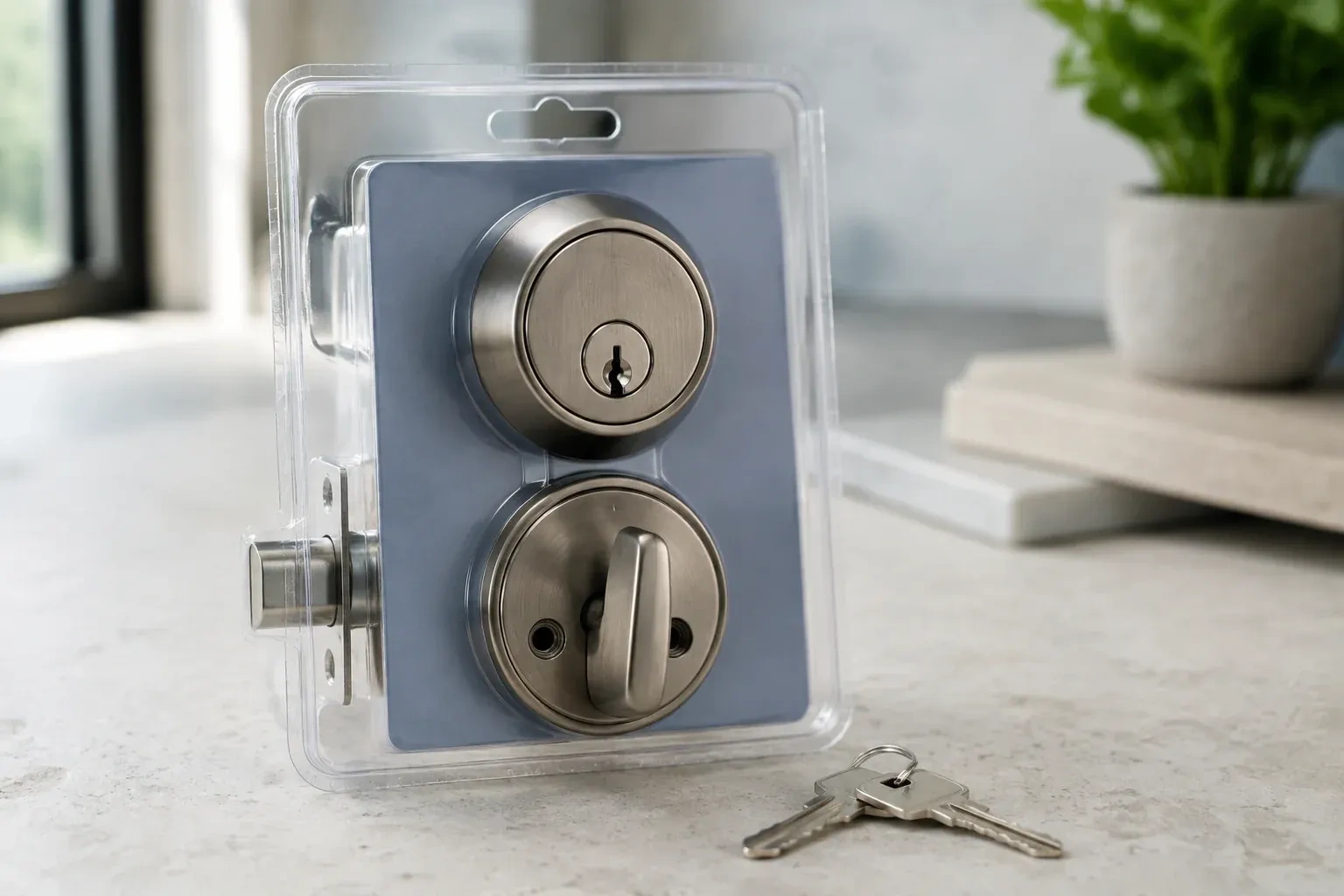
Yes, and the preparation is the same. Many electronic deadbolts use the standard 54 mm bore and the same edge bore, so a door cut for a mechanical bolt often accepts one, and a keyed bolt fitted today can usually be swapped for a keypad later, subject to that model's own bore, backset and thickness needs. The locksmith checks door thickness against the model, fits a reinforced strike as usual, sets up codes with you and shows where the backup cylinder or battery terminals are.
What is the difference between restricted and patented keys?
A restricted keyway is one the manufacturer supplies to a limited set of dealers, so blanks are harder to obtain but not legally protected. A patented key design is protected by a patent for a fixed term, and making or selling the blank without permission is unlawful during that time. Patented systems give the firmer control; restricted ones give a useful step up. The locksmith explains which your chosen line uses and when any patent expires.
How long should we set aside for a commercial rekey?
It depends on the count and the mix. A shop with a front door, a back door and a stockroom is a short visit; an office suite with a dozen lever sets, a master key plan and a mailbox takes a good part of a day. Interchangeable cores are the shortest of all, since they are swapped rather than repinned on site. The locksmith gives a time estimate at the assessment, once every cylinder has been counted.
What is a grand-master key system, and does a small business need one?
A grand-master system adds a layer above a standard master key, useful for a business with several buildings or departments where one senior key should open everything and mid-level keys should open only their own area. A single-location business with a handful of doors usually only needs a straightforward master and change-key structure, without the extra layer.
Can the key I lost still start my car?
Until it is erased, yes, because the immobilizer still recognizes its chip. During the programming session the locksmith can remove every key from the car's memory except the ones in your hand, and unpair the old remote as well. After that the lost key is a blade that opens a door at most, and nothing else. If that blade worries you, changing or rekeying every mechanical cylinder it operates, doors and ignition, plus a trunk, tailgate, fuel door or glovebox where the car has one, finishes the job.
I bought a used car with only one fob. What are my options?
Ownership of the vehicle is confirmed first, since a fob is only added for someone who can show they now hold the vehicle. From there, an additional fob is sourced and registered alongside the one you have, or, if you would rather not rely on a single fob at all, a second and third can be added in the same visit.
Can you cut a new key for my vehicle if the original is lost?
Yes, generally by cutting to the vehicle's factory code or by reading the existing lock cylinder directly. Where the vehicle needs a transponder chip in the key for the engine to start, that chip is fitted and programmed as part of the same visit.
How do you tell if it is the transponder chip or just a dead battery?
Where the key itself holds a battery, such as a fob-style key, a simple battery swap is tried first and is the more common explanation for a dead-seeming key. Where the chip sits in a passive key with no battery of its own, the locksmith checks whether the ignition recognises the chip at all using diagnostic equipment, which distinguishes a genuinely failed or unpaired chip from an unrelated electrical fault elsewhere on the machine.
Request a visit
Households in Brampton often collect locks from different decades that all take different keys. We rekey them to a single key where the hardware allows, replace the one or two that cannot be matched, and set up a spare that lives somewhere sensible. You leave with a lighter ring and a clear idea of which key does what.