Locksmith in Bramalea, OntarioRekey. Repair.Replace, if it needs it.
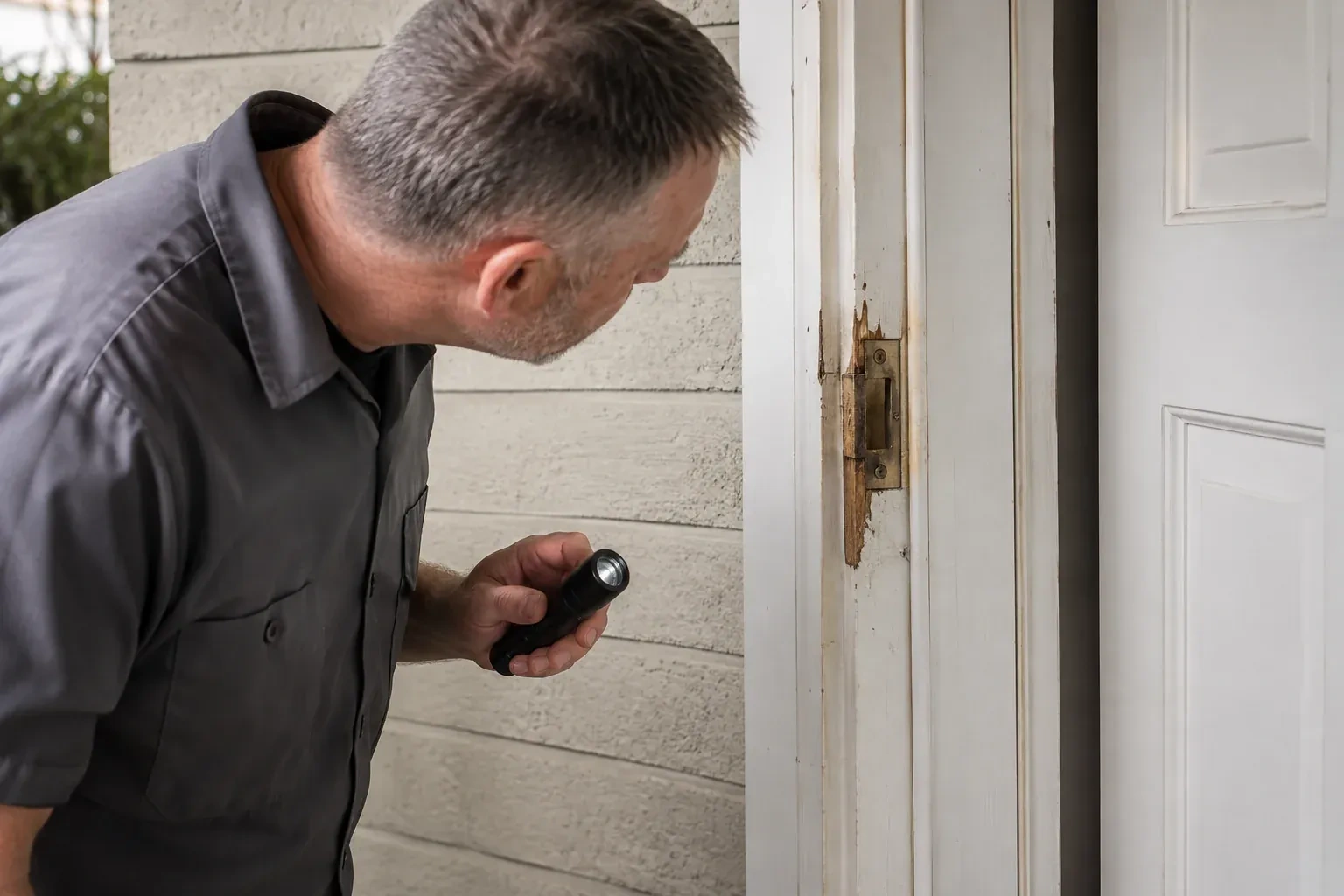
Most locks in Bramalea do not need replacing. They need new pins, a clean cylinder, or a strike moved a few millimetres so the bolt stops fighting the frame. We start with the least invasive fix, say plainly what we see, and only move up the list when the hardware has truly reached the end of its life. Nearby, we also work in Frasers Corners, Tullamore and Woodhill.
Most locks in Bramalea do not need replacing. They need new pins, a clean cylinder, or a strike moved a few millimetres so the bolt stops fighting the frame. We start with the least invasive fix, say plainly what we see, and only move up the list when the hardware has truly reached the end of its life. Nearby, we also work in Frasers Corners, Tullamore and Woodhill.
Plain talk, tidy work.
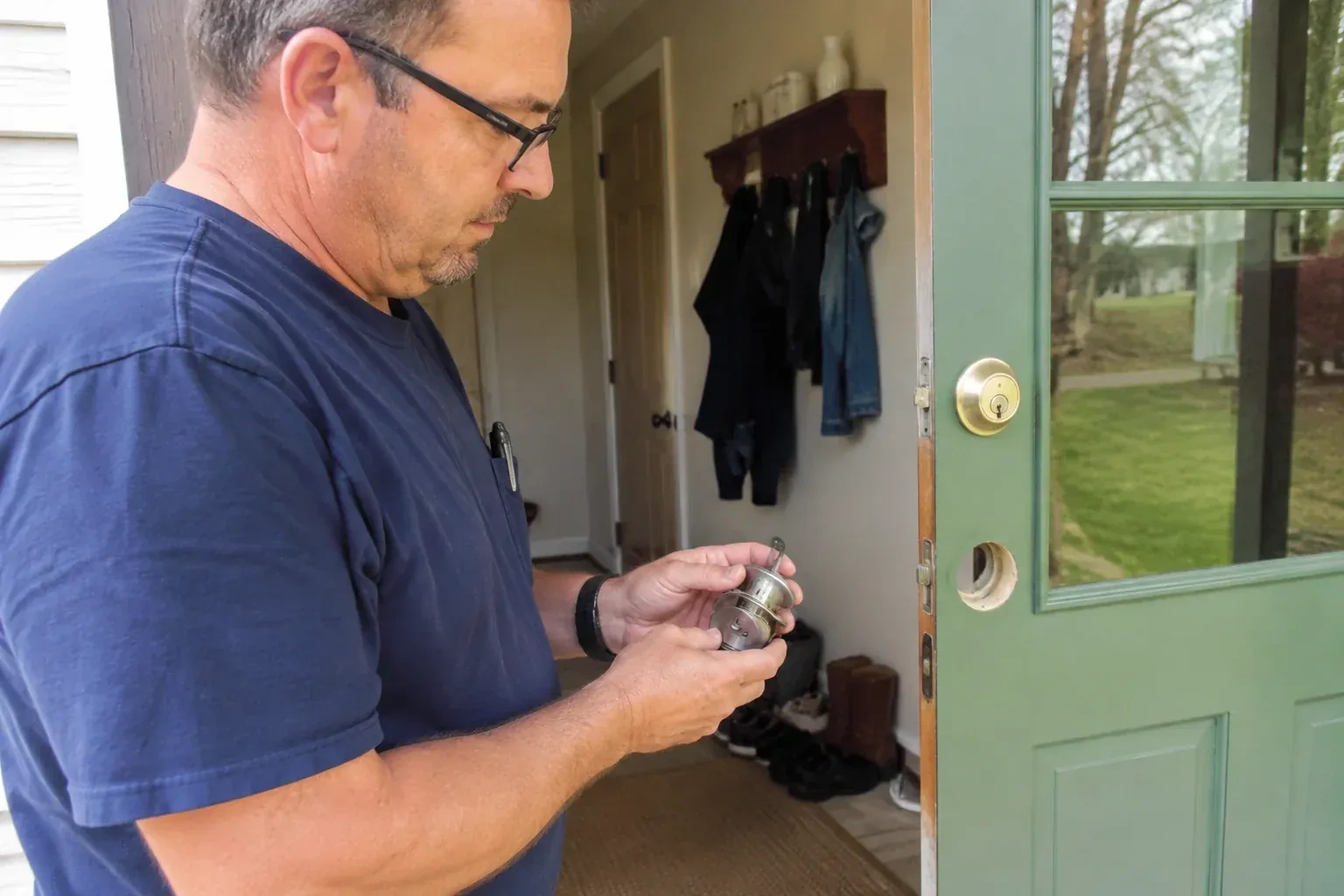
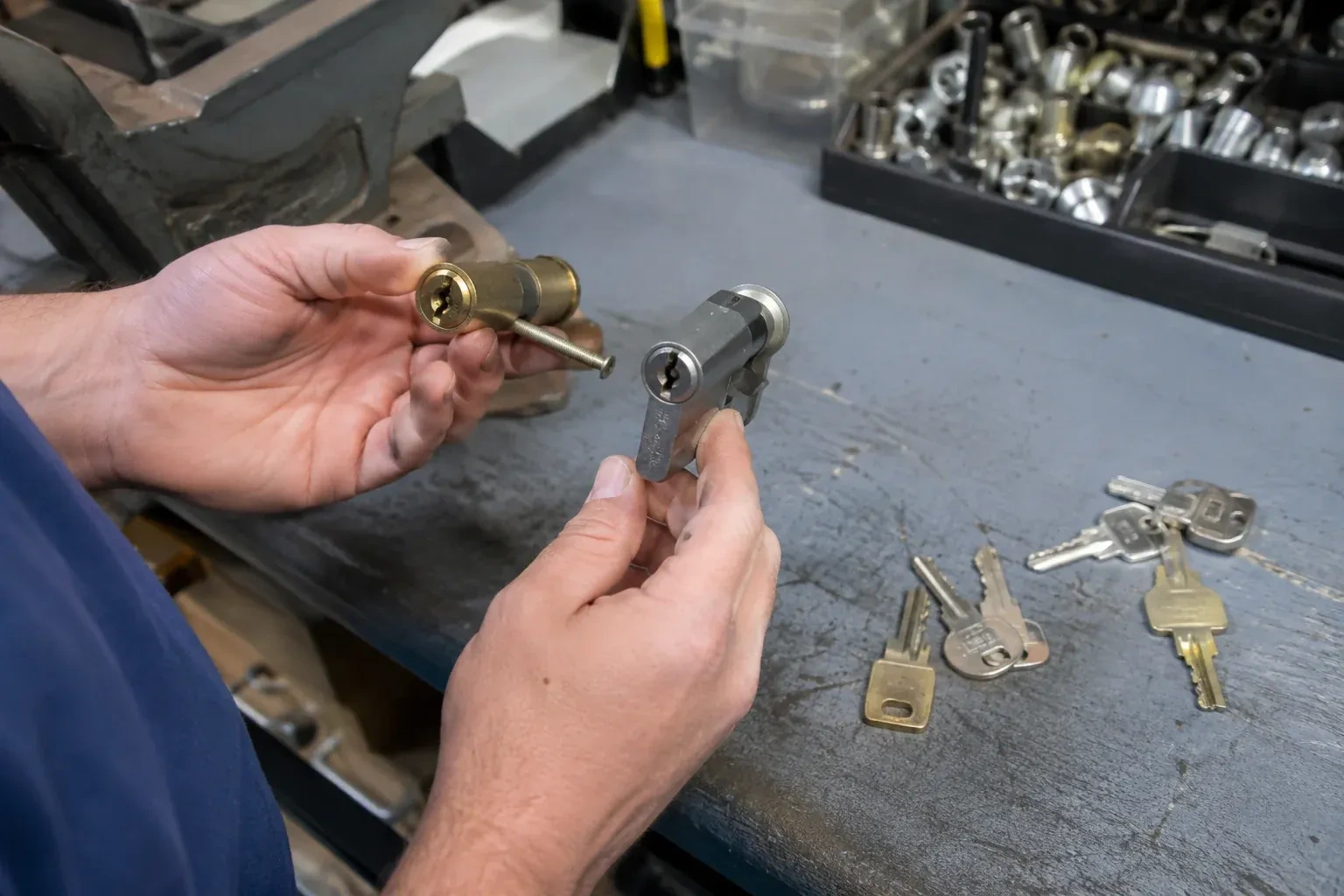
Rekeying is our favourite answer in Bramalea because it keeps good hardware in service. The lock stays, the pins change, the old keys stop working and the new ones are cut on the spot. It suits a move, a lost key or a staff change, costs less than replacement, and leaves the door looking exactly as it did.
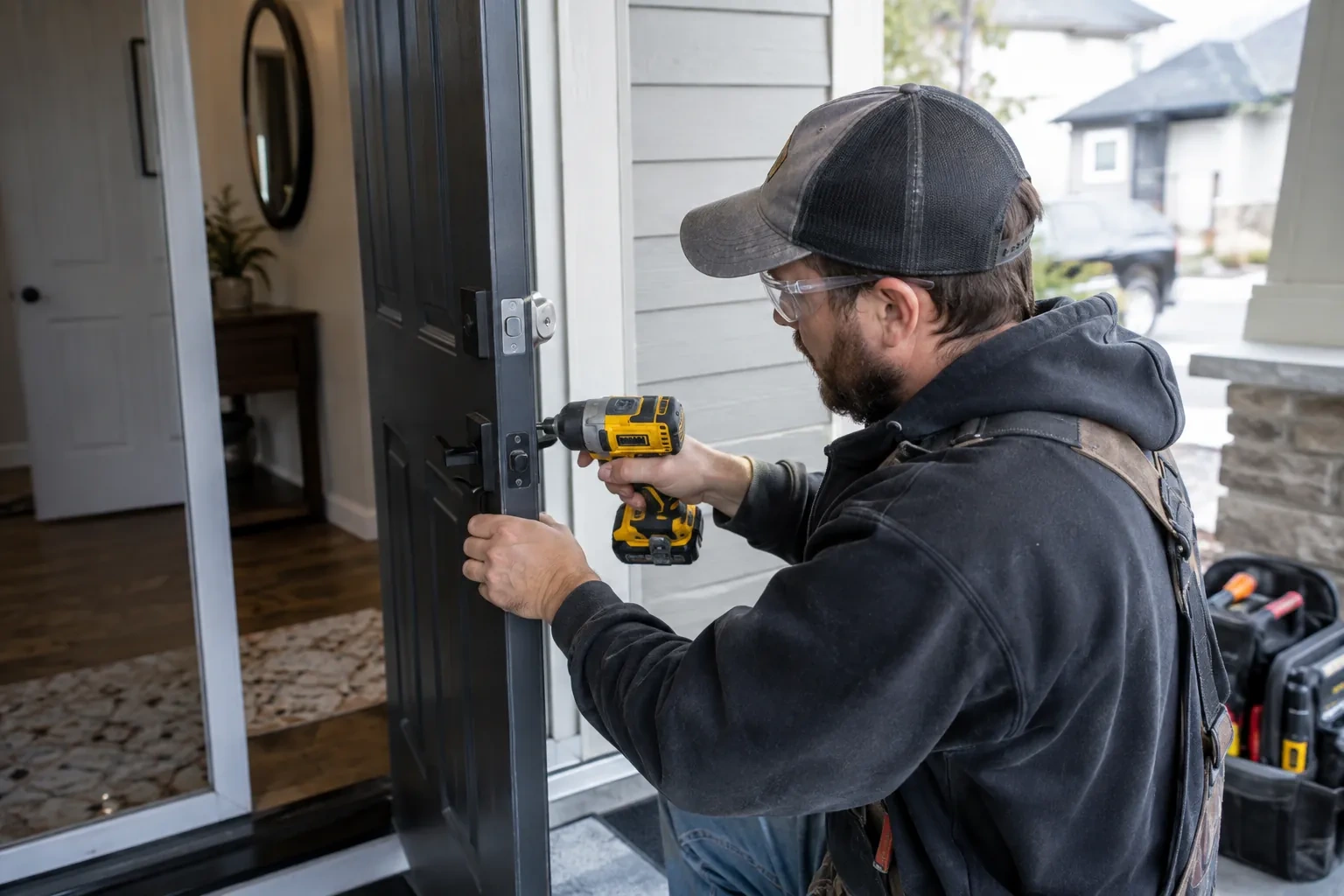
Winter in Bramalea finds every weak lock. Cylinders freeze, doors swell and deadbolts stop lining up with the strike. We thaw and release frozen hardware without damage, adjust alignment so the door locks with one hand again and suggest lubricants and habits that help through the rest of the season. When spring comes, the same door often needs a small adjustment back.
18years in business
24/7open every day
Clear about who can get in. After any rekey or replacement we tell you exactly which keys work and how many copies exist. Key control is the point, and you should have the full picture.
Careful with the building. We protect floors and finishes, work around your day where we can, and treat a shop or office with the same care as a home.
The choice explained in your terms. Rather than product names, we talk about what each option means for you: who has access, how it copes with weather, how easy it is to change later.
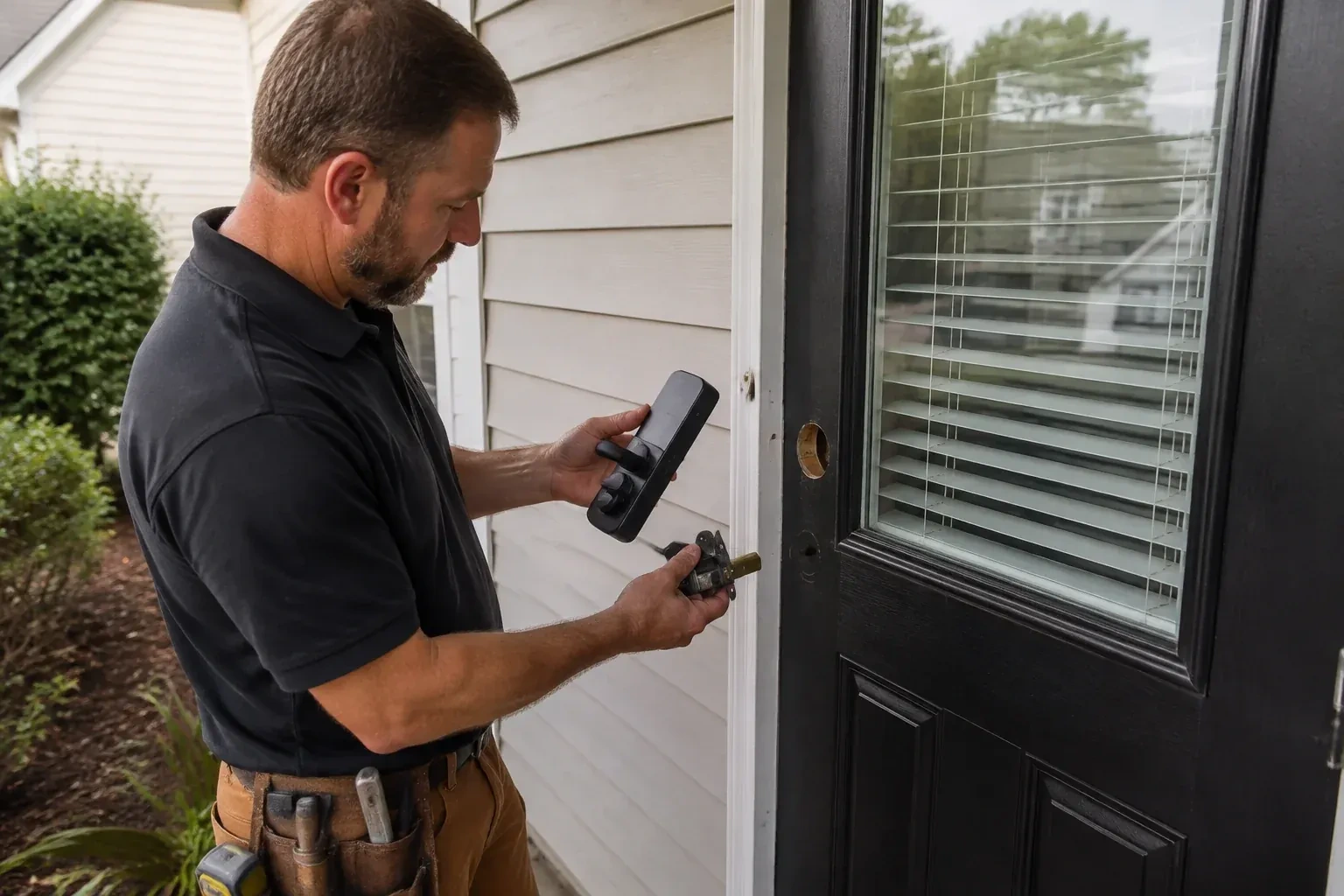
Locks on homes and businesses in Bramalea go through the same stages: they get installed, they wear, they need rekeying when people change, and eventually they are upgraded or replaced. The services here follow that life cycle so you can find the right one at whatever stage your door has reached.
About 23% of homes in Brampton were built in 1980 or earlier, according to the 2021 Census.
Newer homes
Newer homes are built to standard bores and backsets, so nearly any modern deadbolt, lever set or smart lock fits straight on. The locksmith can offer a wide range of hardware knowing it will mount cleanly without new holes.
Single-detached houses make up about 53% of homes in Brampton (2021 Census).
Where housing types are mixed, the same lost-key call means different things. In a house, rekey every door on the property. In an apartment, rekey the suite door and check with management about the common entrance. The locksmith asks which it is first.
The key slides in and turns all the way round, but the bolt stays put. There is no click, no resistance, just a key spinning in a lock that has stopped listening to it after years of daily use.
The patio slider is sitting crooked on its track. Its latch is snapped, the frame is bowed where it was pried, and the panel no longer meets the jamb, so the house cannot be closed up for the night.
The shop's lever handle goes down as usual, but the latch inside the mortise case never pulls back. Staff are waiting on the sidewalk with their coffees, the door is locked, and the handle is simply moving air.
Arthritis has made the small house key hard to grip and turn, especially with gloves on in January. Pressing a few buttons, or tapping a fob against the lock, would make coming home in winter far easier.
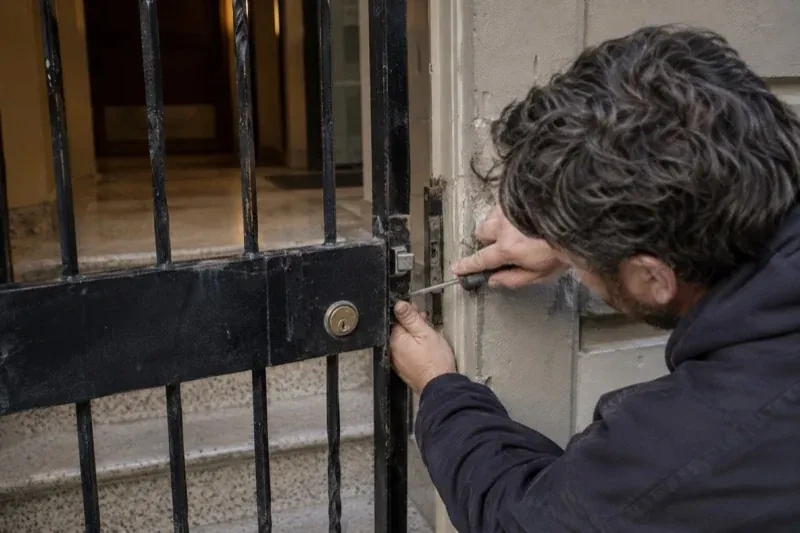
The driveway gate drags a groove into the gravel every time it swings, and the latch stopped catching weeks ago. Now it sits propped shut with a brick, waiting for anyone to walk through and forget to prop it back.
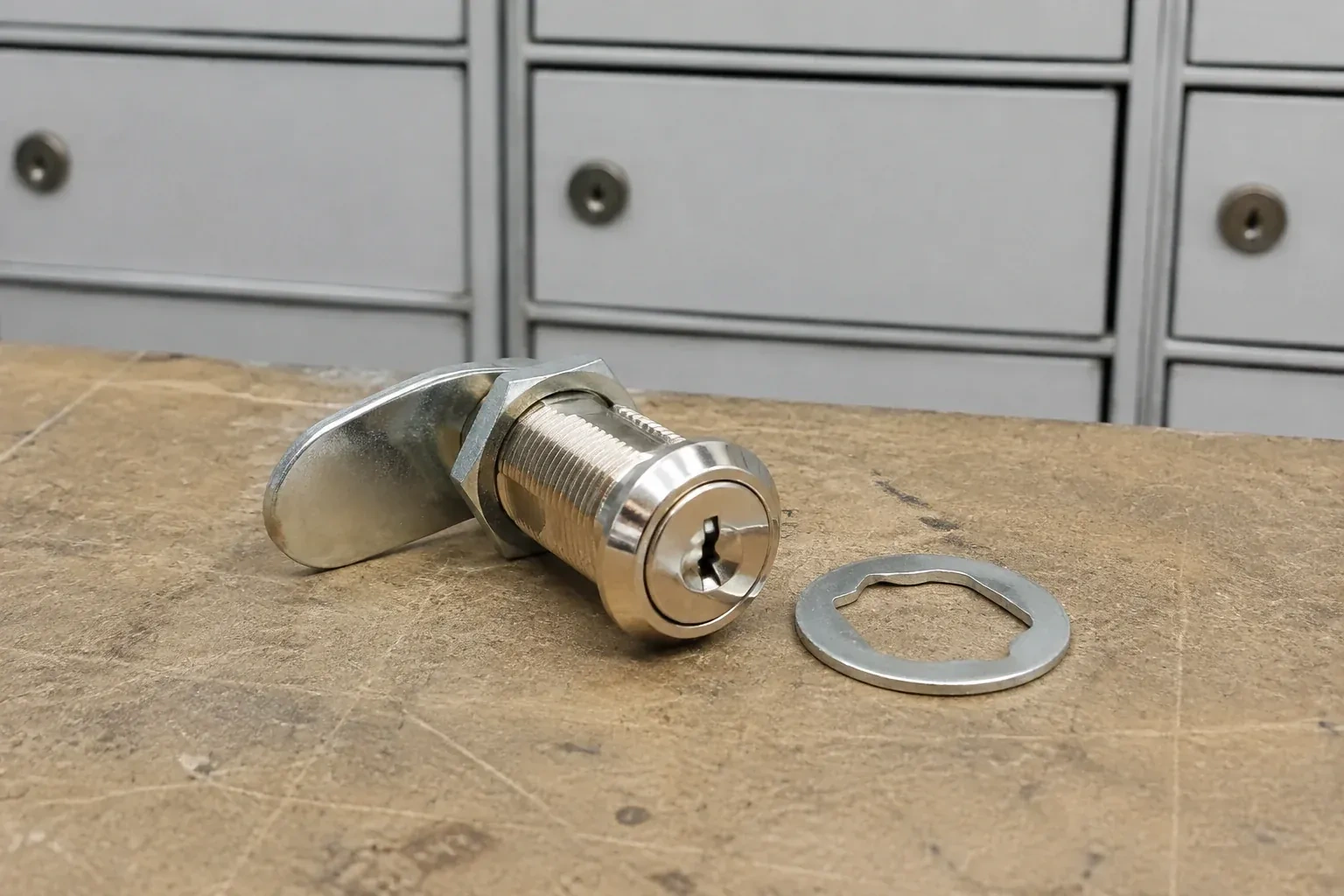
After a winter of road spray and salt, the little lock on the mailbox door has gone stiff, then gritty, then almost immovable. Rust has crept in around the keyway, and the key barely turns anymore no matter how it is worked.
A community group counts the weekend's raffle and bake-sale cash on a kitchen table, then carries it home in a tote bag until the bank opens Monday, because there has never been anywhere safer to leave it.
Head office wants a record of who opens the branch and when, tied to an actual name rather than a shared code scrawled on a sticky note taped under the till.
The new key from the hardware counter fits the door but stops halfway into the ignition slot, no matter how it is angled or how gently it is pushed. A worn original key opened this same slot without trouble for years.
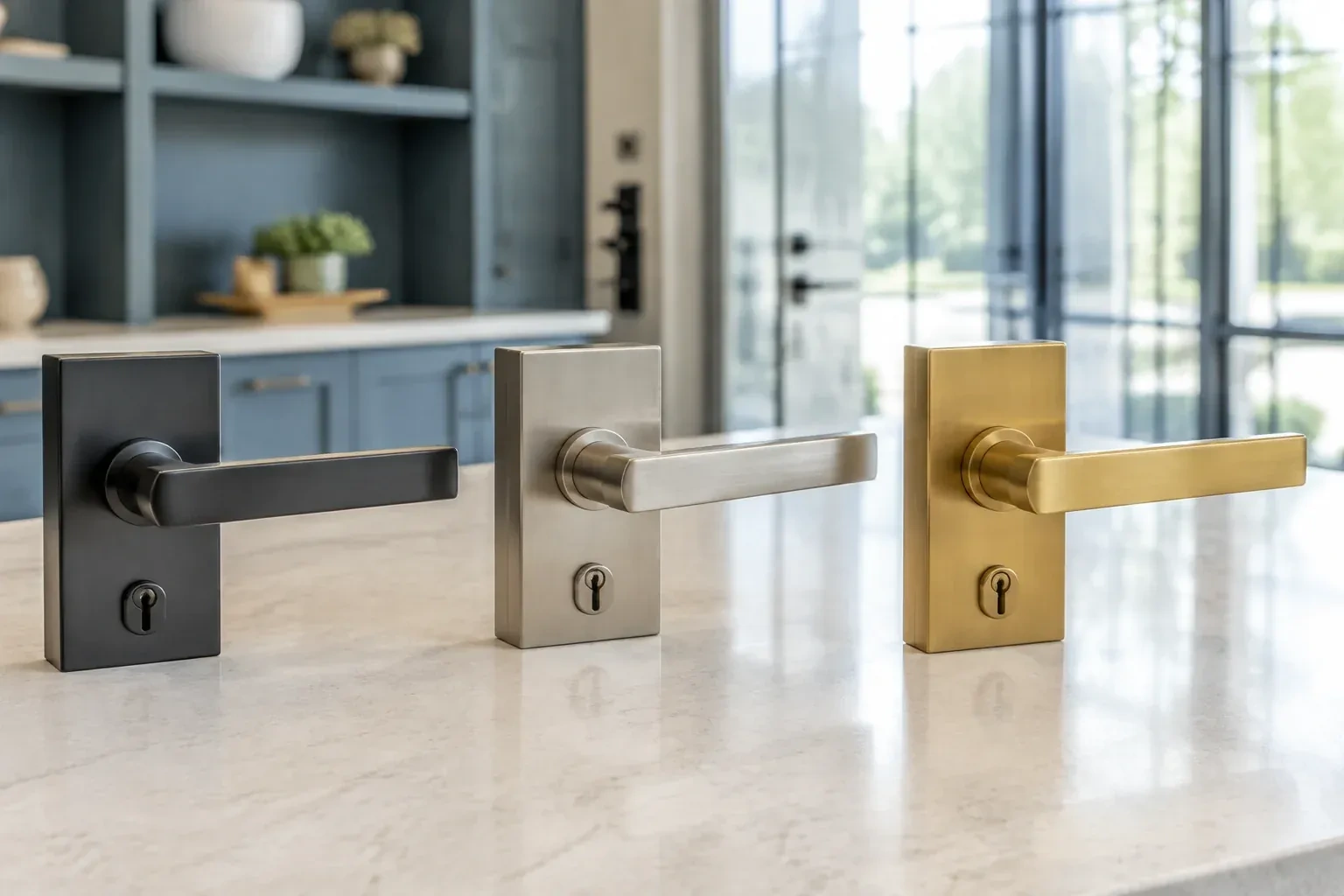
The services here cover upgraded cylinders that retrofit into existing locks, heavier deadbolts, reinforced strikes and door edges, and patented or restricted key systems for one door or a whole building. Each page describes the visit and what you have afterwards.
Small businesses often run on one key that everyone has a copy of. It works until it does not. The commercial pages explain the steps up from that: rekeying to a known set, a master system, then keypads or cards when keys become more trouble than they are worth.
WhyWhen several households share one street gate or one building entry, a lock change on its own solves little if half the keys in circulation still work afterward.
After a winter of road spray and salt, the little lock on the mailbox door has gone stiff, then gritty, then almost immovable.
WhyMoving into a new place is a common moment for this service, since a mailbox compartment rarely comes with a documented history of who was handed a key.
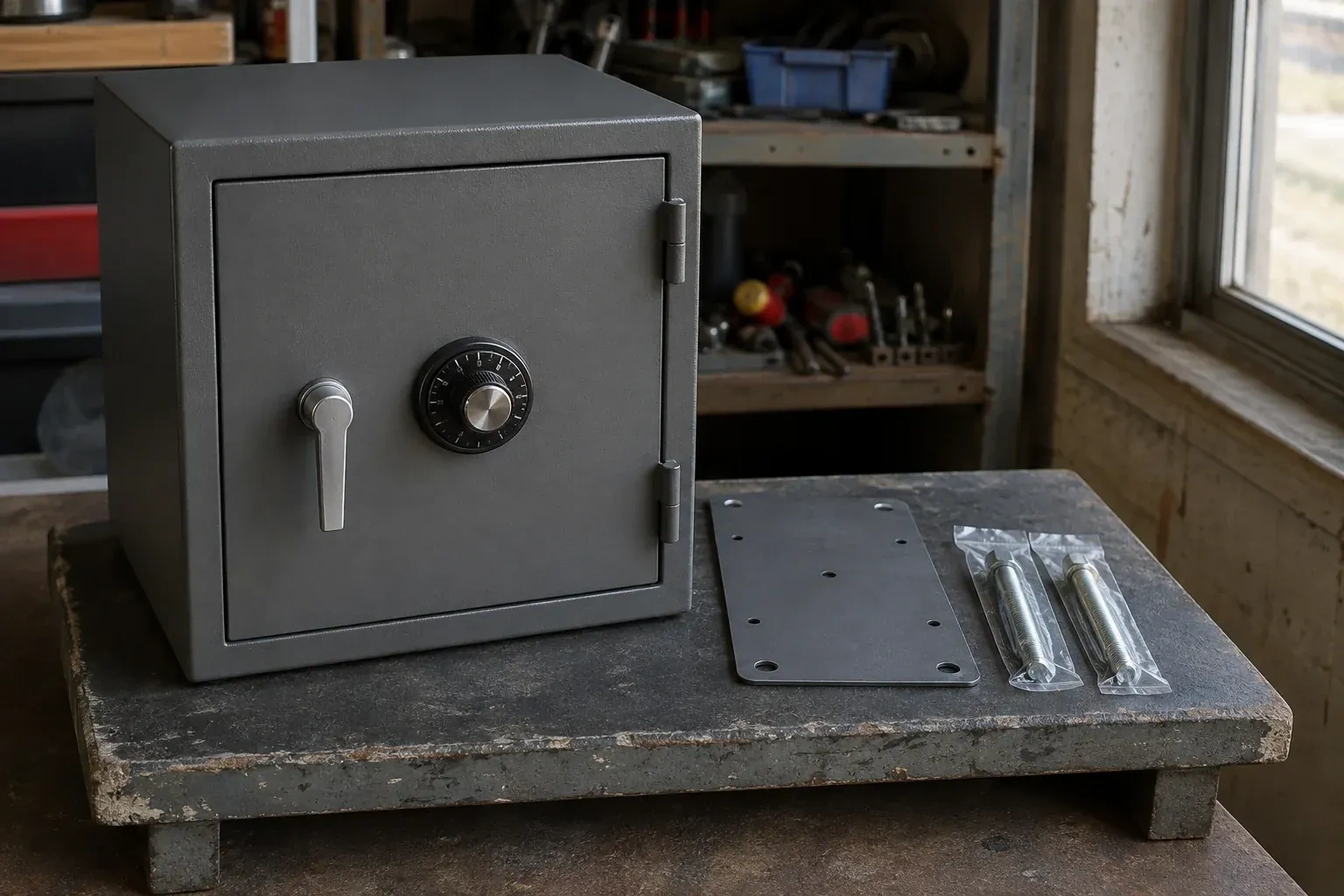
A community group counts the weekend's raffle and bake-sale cash on a kitchen table, then carries it home in a tote bag until the bank opens Monday, because there has never been anywhere safer to leave it.
WhyFor a household bringing in its first real safe, the service covers everything between the empty spot on the floor and a working, anchored unit with a combination only the family knows.
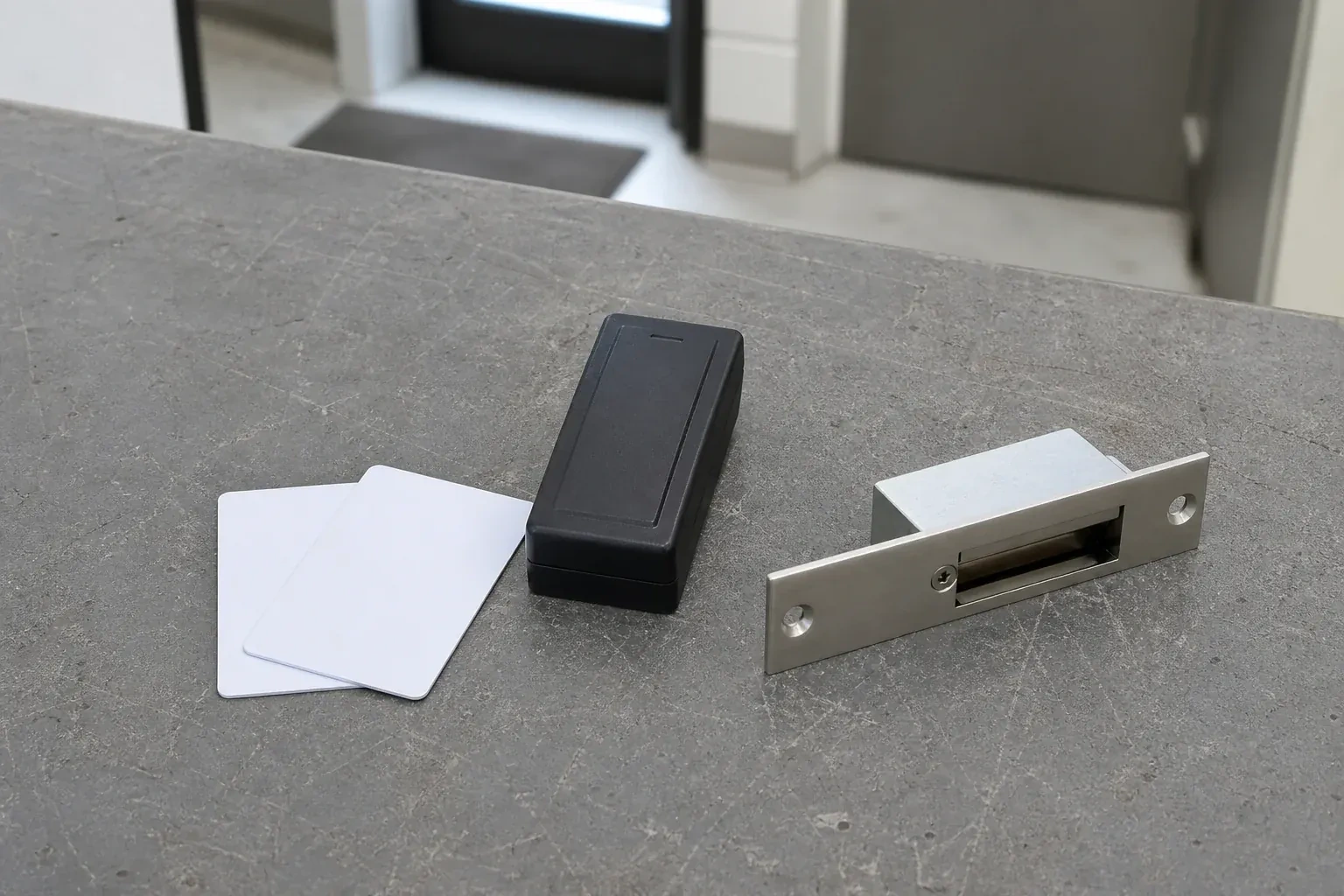
Head office wants a record of who opens the branch and when, tied to an actual name rather than a shared code scrawled on a sticky note taped under the till.
WhyWhere a building has more than one controlled door, a networked system lets each opening run its own schedule: the front office unlocked for regular hours, a stockroom open to two people only, a loading dock released for a delivery window, with the management software tying those schedules together.
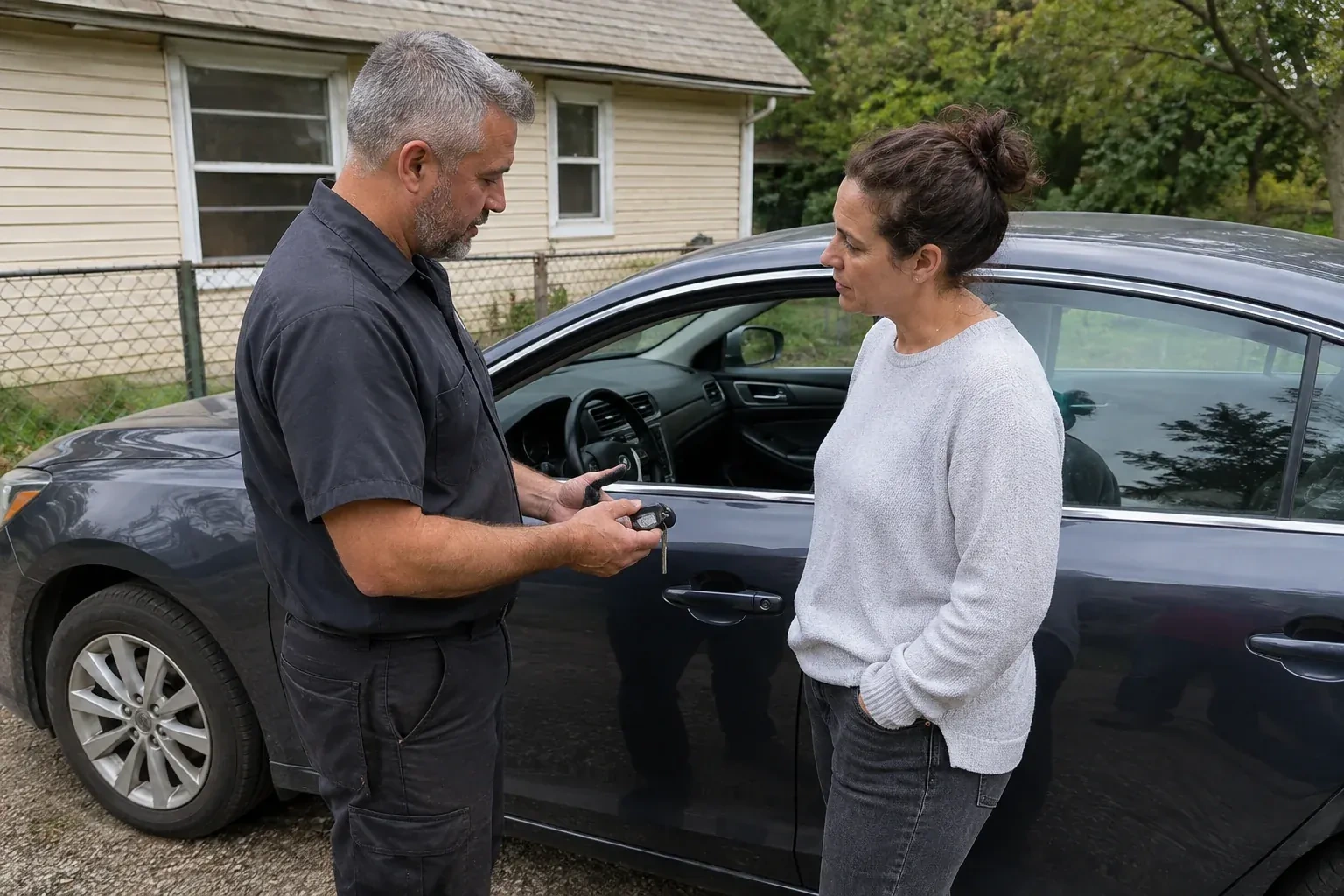
The new key from the hardware counter fits the door but stops halfway into the ignition slot, no matter how it is angled or how gently it is pushed.
WhyIgnition Lock Repair addresses the mechanical cylinder in the vehicle's keyed ignition assembly, commonly at the steering column though some are instrument-panel mounted, that a key turns through accessory, on and start, separately from any electronic immobilizer or transponder system layered behind it.
How a visit goes
Describe the property, the hardware and what has changed, and the visit starts from what you have seen.
1
2
3
01
Counting the doors and keys
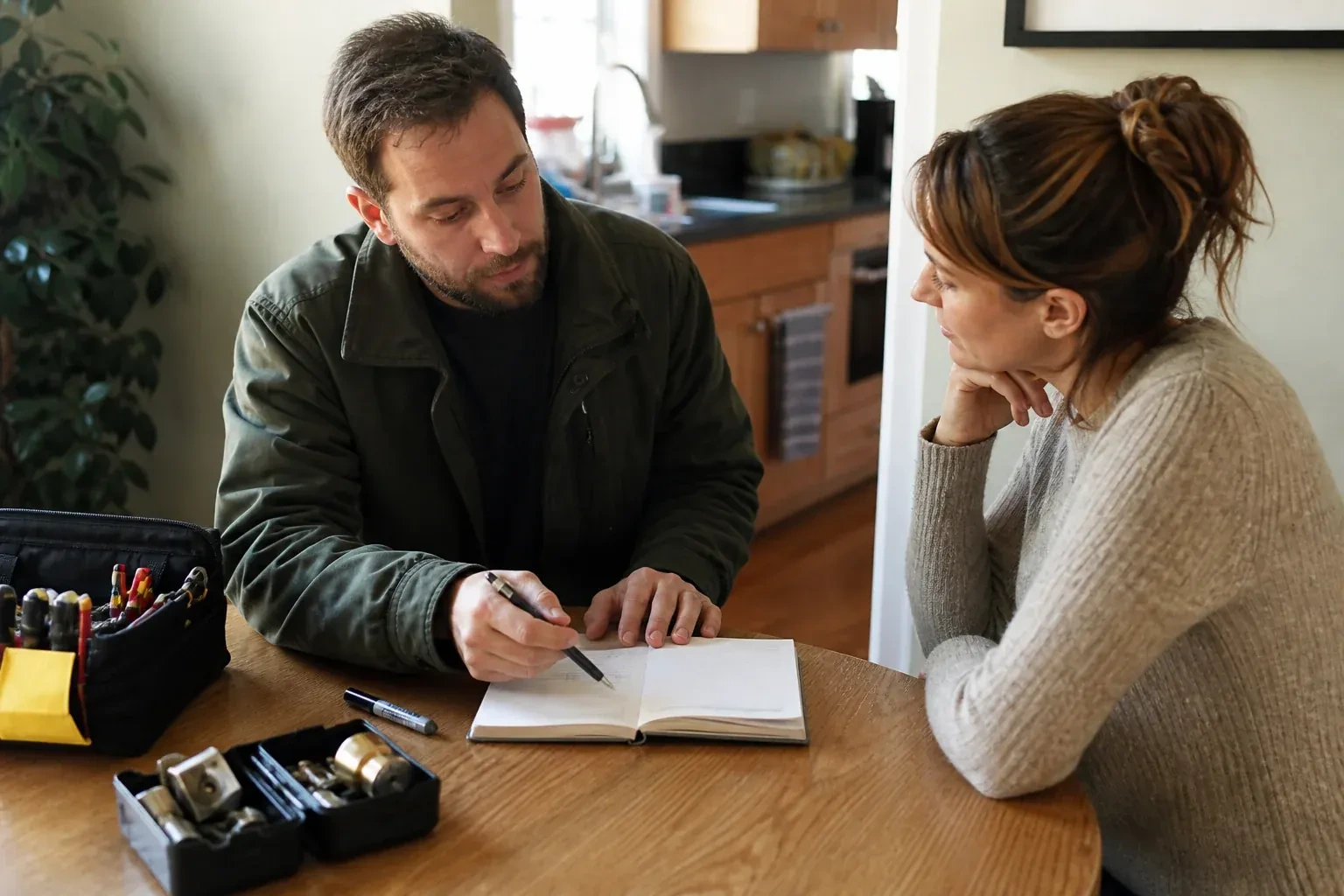
We walk the house with you, note every exterior lock and ask which doors you want on one key. That decides the pin work and the number of keys to cut.
02
Pinning the cylinders
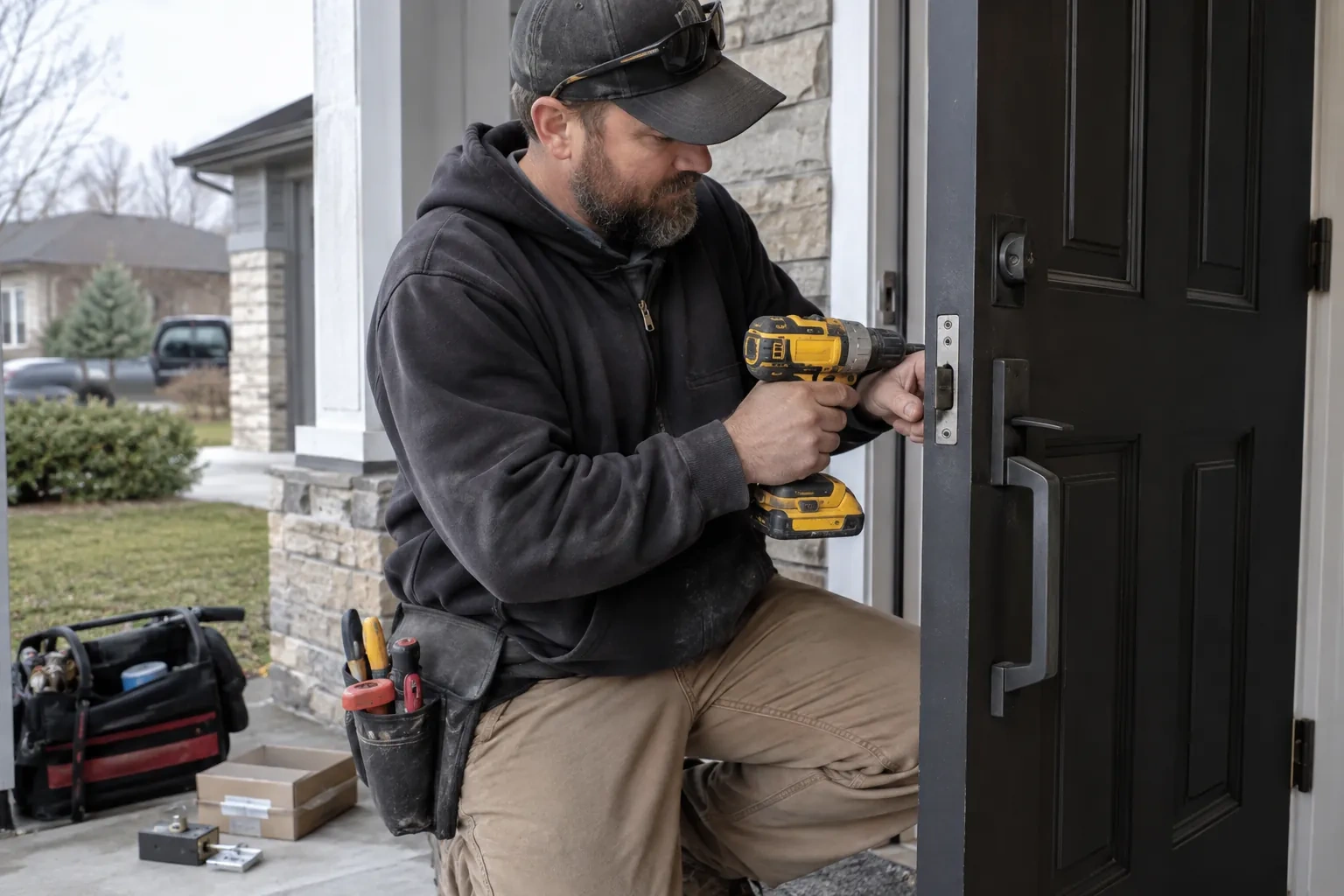
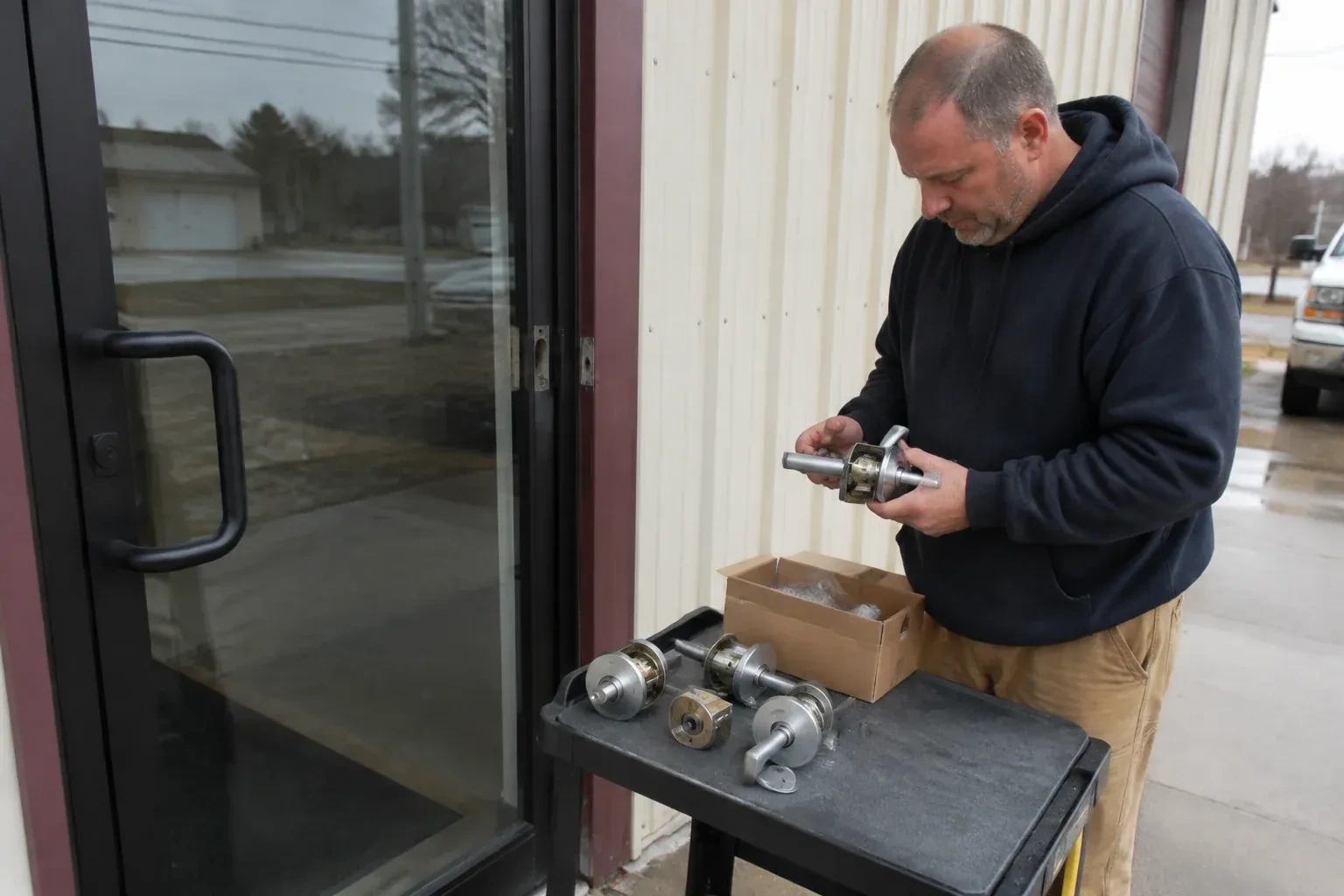
Each cylinder comes out, gets new pins to match a fresh key, and goes back in. Old keys stop working the moment the cylinder is back in place.
03
Testing every door with every key
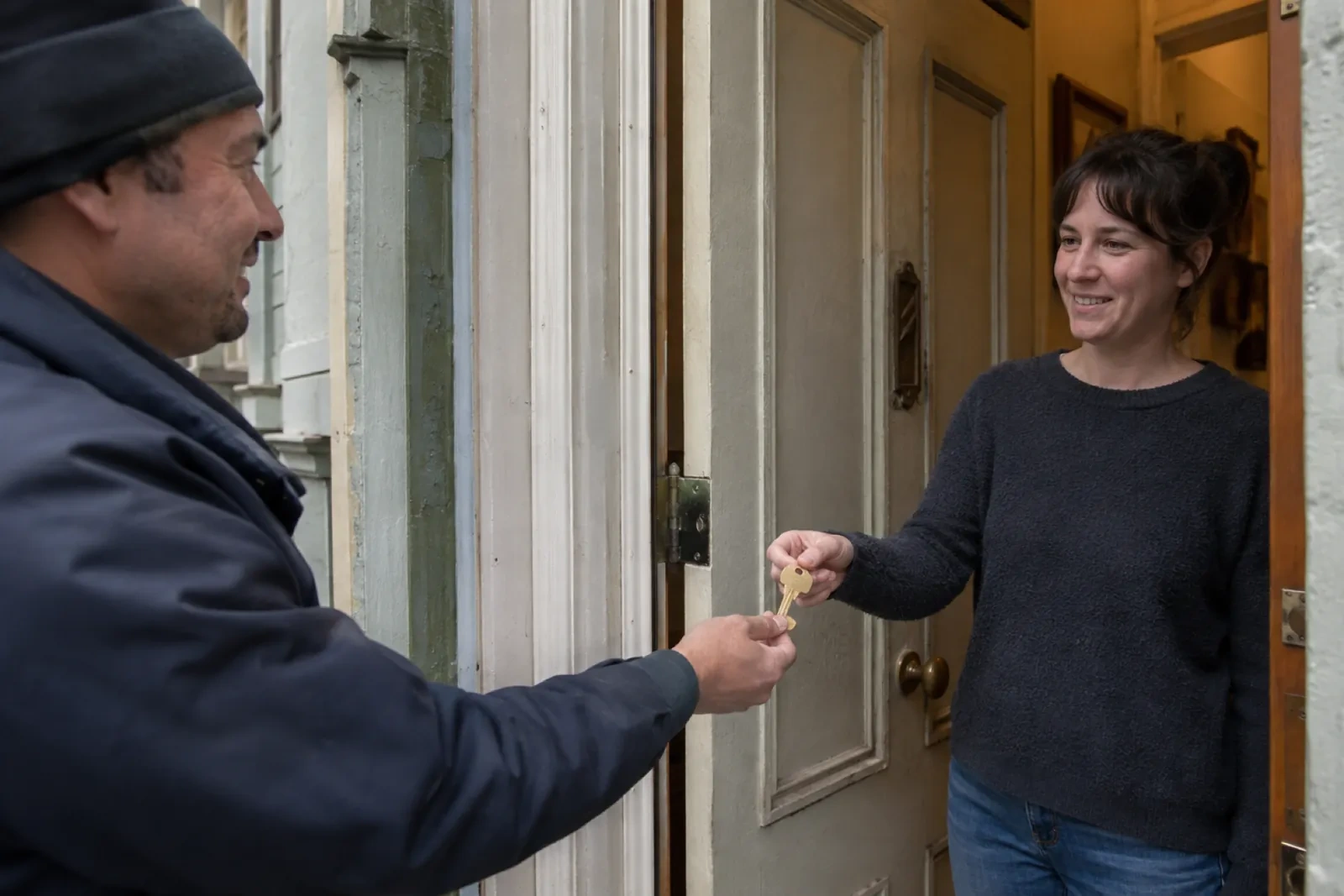
We try each new key in each lock, from outside and inside, hand you the set and explain how many copies exist so you know exactly who can get in.
It depends entirely on where the key is. If it was inside the house the whole time, your locks are exactly as secure as they were yesterday and nothing needs changing. If the key was lost or stolen, rekeying is the sensible follow-up, because it retires that key for good while keeping your existing hardware. Lock manufacturers give a lost or stolen key as one of the main reasons to rekey, and doing it during the same visit saves a second call.
Someone reached through the sidelight to turn the thumb-turn. Should I fit a deadbolt keyed on both sides?
It is tempting, but a thumb-turn lets everyone in the household leave by that door without hunting for a key, special device or special knowledge, so a keyed inside cylinder is the wrong fix. Better answers are a tested security-film system or laminated glass in the sidelight to slow an arm from passing, moving the deadbolt beyond arm's reach of the glass where the door allows, and a glass-break sensor if you have an alarm.
Will I need a whole new lock?
Usually not. Most jammed locks are saved by cleaning the cylinder, fitting a small part such as a tailpiece or spring, or adjusting the door so the bolt has room. A new cylinder is fitted when the plug or shell is corroded through or twisted by forcing, matched to your finish and, where possible, pinned to your current key. A complete new lockset is usually a choice you make rather than a requirement, though some internal failures cannot be serviced in place and call for a full replacement.
Will summer heat behind my storm door damage the lock?
It can stress it, and it is one of the first things the locksmith looks at. A full-glass storm door on a south- or west-facing entrance can push the air between the doors well above what electronics are rated for on a hot afternoon. The usual answers are a storm door with a vent or screen, swapping to the screen panel for summer, or a model whose maker rates it for that exposure. With that handled, the lock is fine.
What information over the phone helps identify the hardware before the visit?
A photo of the lock, the gate or the entry door, taken from a few steps back and up close on the cylinder, tells the locksmith more than a verbal description usually can. Mentioning whether the gate is wood, metal or vinyl, roughly how the property is laid out, and whether the entry has any buzzer, keypad or electric component narrows down what hardware and parts to bring. None of this is required, but it does shape what shows up in the van.
Can you service a community mailbox that the postal operator installed on our street?
That particular kind of mailbox is owned and serviced directly by the postal operator, including its locks and replacement keys, so a resident with a lost key there contacts them rather than a locksmith. This service covers mailboxes that belong to a home, a business, or a condo or apartment building, such as a lobby panel or a slot built into a house door.
What is the difference between a fire rating and a burglary rating?
They come from two different kinds of tests, and burglary ratings are not all one kind either. Some are timed in minutes, measuring how long a trained attempt with real tools takes to force the door open; others are construction classifications based on steel thickness rather than a timed attack. A fire rating is measured in hours, from a furnace test tracking how hot the interior gets while the outside reaches roughly 850 to 1,000 degrees Celsius. A high number on one says nothing about the other.
How is a lost fob or card handled?
It is switched off in the software the moment it is reported, which stops that specific card or fob from working at any door it used to open. A new one is issued and enrolled in its place. No lock has to be changed and no other credential in the building is affected, which is the main advantage a lost fob has over a lost mechanical key.
What if there are scratches or damage around my ignition slot already?
That is noted honestly before any work begins, since it often means an earlier attempt was made on the lock. Damage like this usually points toward a full cylinder and housing replacement rather than a simple service, because the internal parts of a lock that has already been forced are rarely trustworthy afterward. You are shown what was found before deciding how to proceed together.
Request a visit
Rekeying is our favourite answer in Bramalea because it keeps good hardware in service. The lock stays, the pins change, the old keys stop working and the new ones are cut on the spot. It suits a move, a lost key or a staff change, costs less than replacement, and leaves the door looking exactly as it did.