Change or rekey · Brampton
Gate & Building Entry Locks
The driveway gate drags a groove into the gravel every time it swings, and the latch stopped catching weeks ago.
In plain words
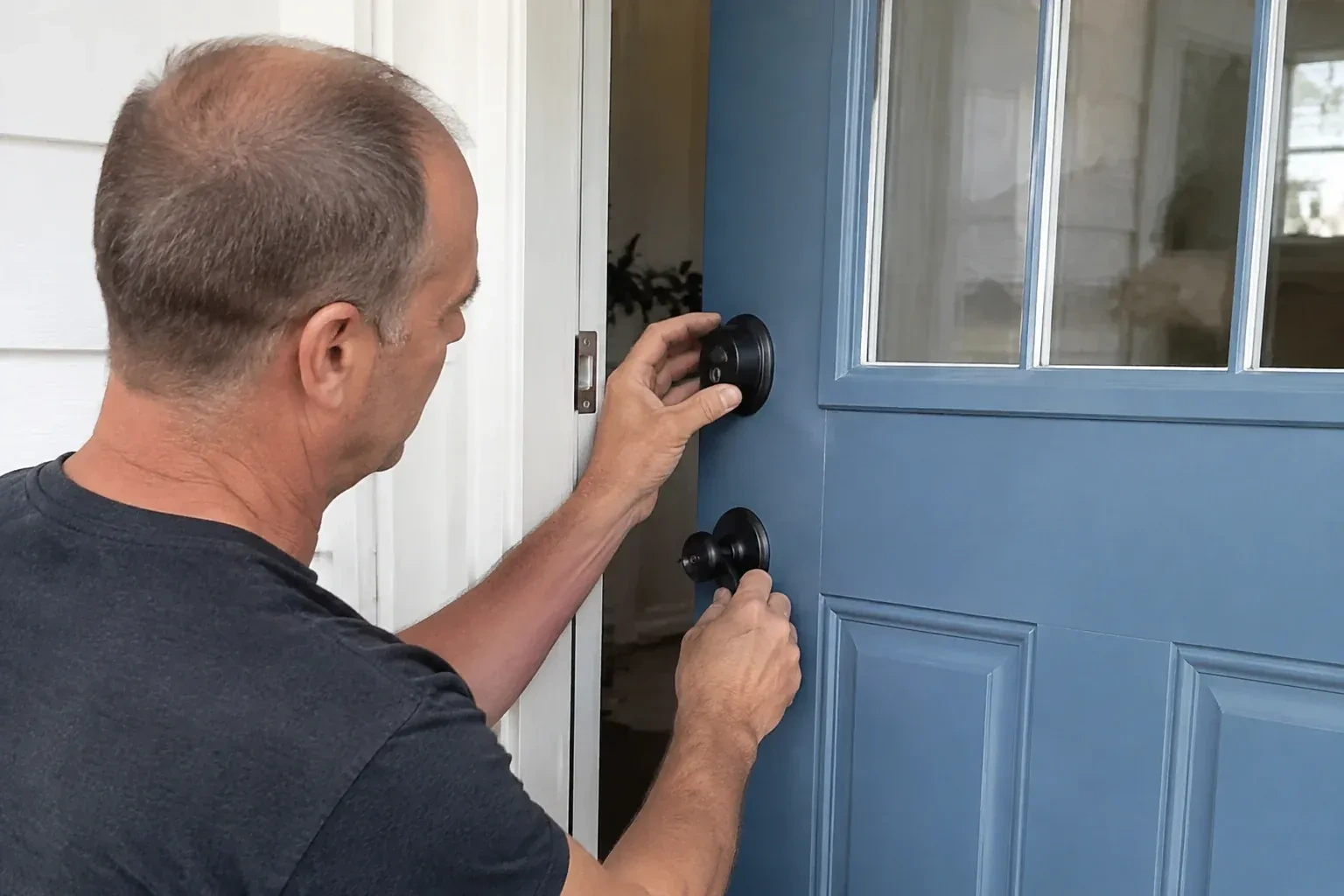
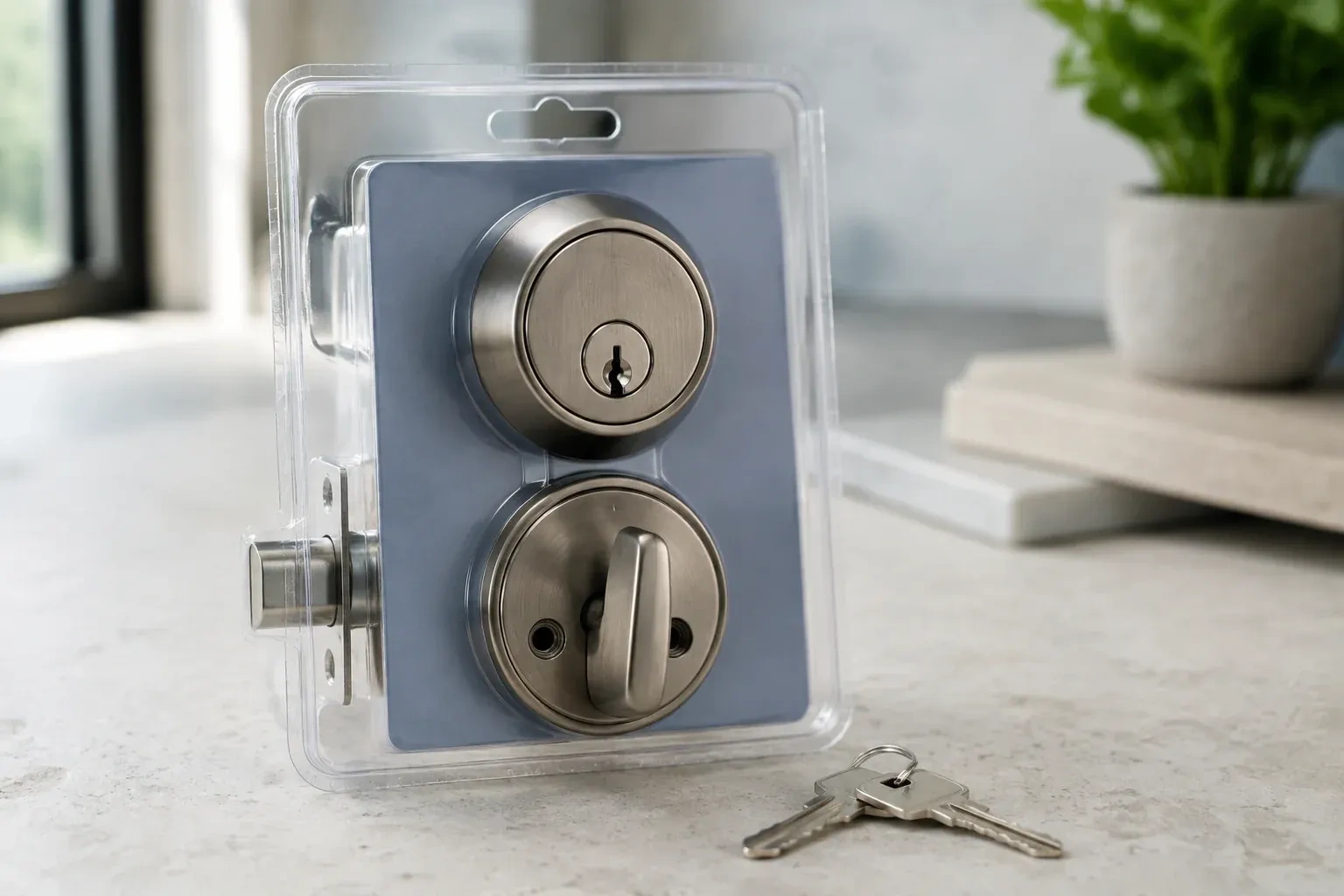
When several households share one street gate or one building entry, a lock change on its own solves little if half the keys in circulation still work afterward. This service starts by mapping who actually needs a key today, checks whether existing cylinders can be keyed alike without full replacement, and rekeys or replaces only what the assessment calls for. Everyone currently living or working behind that door leaves with a key that matches the others, and nobody is quietly left out by someone else's fix.
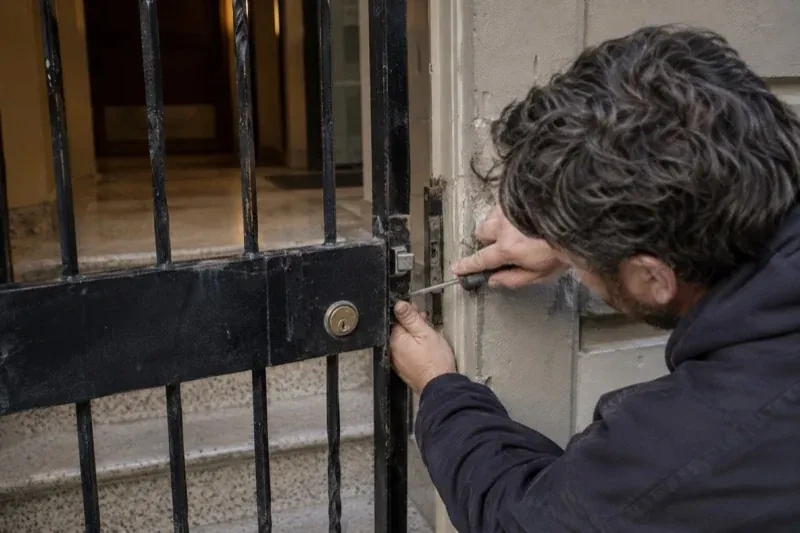
How the visit goesThe padlock on the side gate has gone stiff every winter for three years running, and this year the key simply will not turn past the first few pins. Salt spray off the road and a season of meltwater have left the cylinder pitted and reluctant.
Gate & Building Entry Locks
How the visit goes

Reading a frost-heaved or settled post
Ground movement shows up as a lock problem long before anyone thinks to blame the post. The locksmith checks whether the gate post has lifted, tilted or settled relative to the latch post it is supposed to line up with, and by how much, since a small seasonal shift is different from a post that has genuinely moved for good. This distinction decides whether the fix is resetting the strike position for now or addressing the post itself, and it keeps the same misalignment from returning with the next frost.
Coordinating keys across a shared entry
On a property with several gates or a shared building entry, the cylinders that should open on one key are brought onto a common pinning during the same visit, rather than one at a time as complaints come in. Current residents or unit holders each receive a key that matches every door they are meant to use, and a short list is kept of which key opens what. Any gate meant to stay on its own separate key, such as a utility gate the property manager alone uses, is deliberately left off the shared system.
A post and frame that hold their position
Where ground movement had thrown the gate out of line, you leave with a post that has been reset, packed or braced so it stays where it was put, not just a strike that was shimmed to match wherever the post happened to be that day. The gate should now close consistently through the seasons rather than needing a fresh adjustment every time the ground shifts. Check it again after the next hard frost or a wet spring, since soil movement is ongoing rather than a one-time event.
Gate & Building Entry Locks
In the van
Voltage tester for electric strikes
Plug follower and repinning kit
Corrosion-resistant fasteners
Weather-rated cylinders
Dry graphite or PTFE lubricant
Gate & Building Entry Locks
What affects the quote
Electronic components on the entry
A buzzer, keypad, electric strike or maglock adds its own diagnostic and testing time beyond the mechanical lock itself, and any electronic part that needs repair or replacement is priced as its own line.
Condition of the closer, hinges and post
Simple adjustment of an existing closer is a smaller job than replacing a worn closer, correcting sagging hinges, or resetting a post that has shifted with the ground; the quote follows whichever combination the assessment finds.
Time of year and weather on the day
A cylinder frozen solid or a closer stiffened by cold takes patient work before adjustment or replacement can even begin, so a call made during a cold snap is quoted with that extra time in mind.
What to have ready
- Is this a single household gate or a shared building entry?
- Roughly how many people currently need a working key?
- Does the entry have a buzzer, keypad or electric strike?
Gate & Building Entry Locks: questions
QuestionsIf the lock gets replaced, can the existing intercom or buzzer stay?
In most cases, yes. The buzzer, keypad and intercom are generally separate from the mechanical lock or cylinder, so replacing the lock itself does not usually mean replacing the electronic side too. Where the two are connected, such as an electric strike wired to the same frame as a new mechanical lock, the locksmith checks the fit and wiring before starting so the electronic system keeps working once the new hardware is in place. Anything that would need to change is explained beforehand.
What information over the phone helps identify the hardware before the visit?
A photo of the lock, the gate or the entry door, taken from a few steps back and up close on the cylinder, tells the locksmith more than a verbal description usually can. Mentioning whether the gate is wood, metal or vinyl, roughly how the property is laid out, and whether the entry has any buzzer, keypad or electric component narrows down what hardware and parts to bring. None of this is required, but it does shape what shows up in the van.
What actually happens during a gate or building entry lock visit?
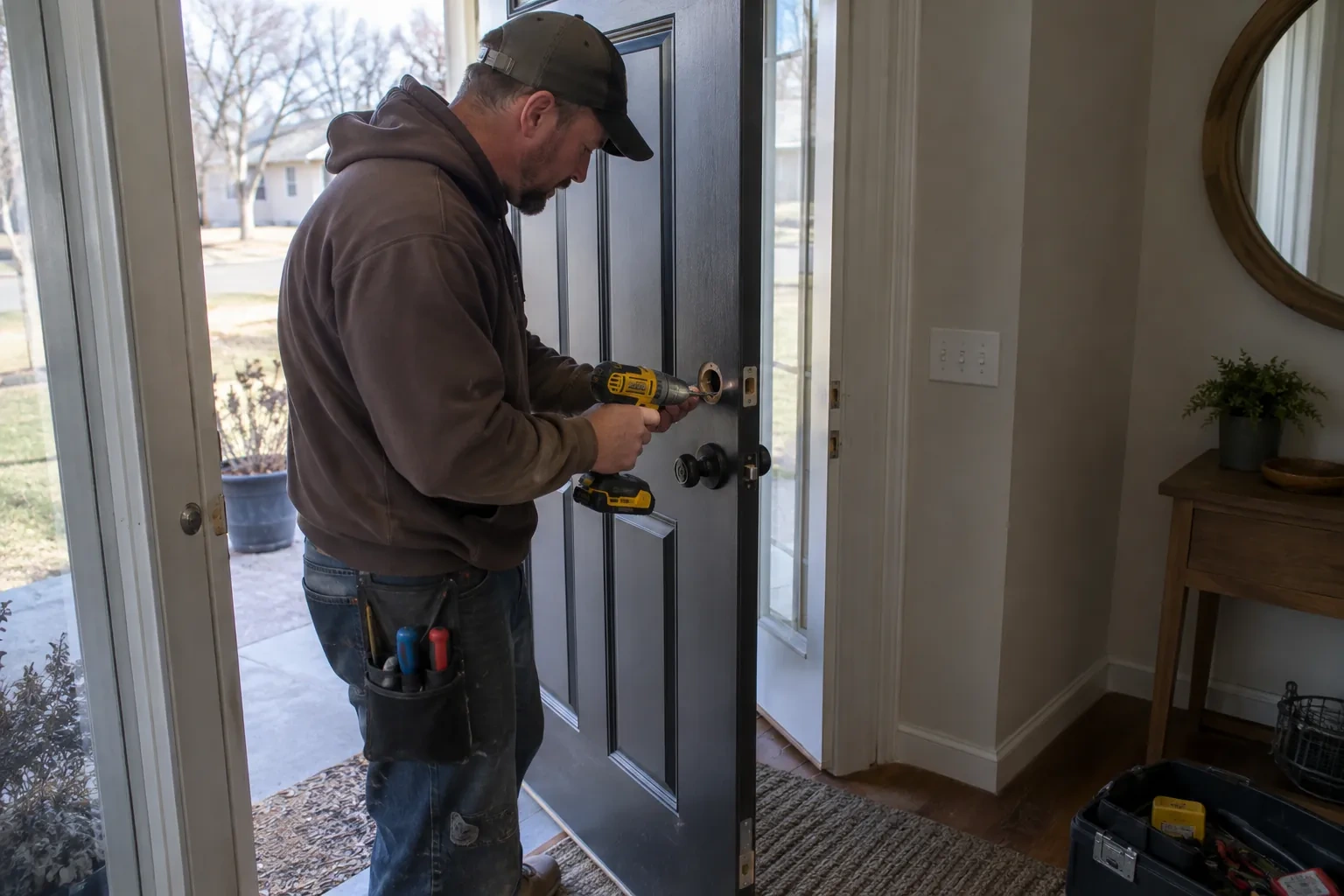
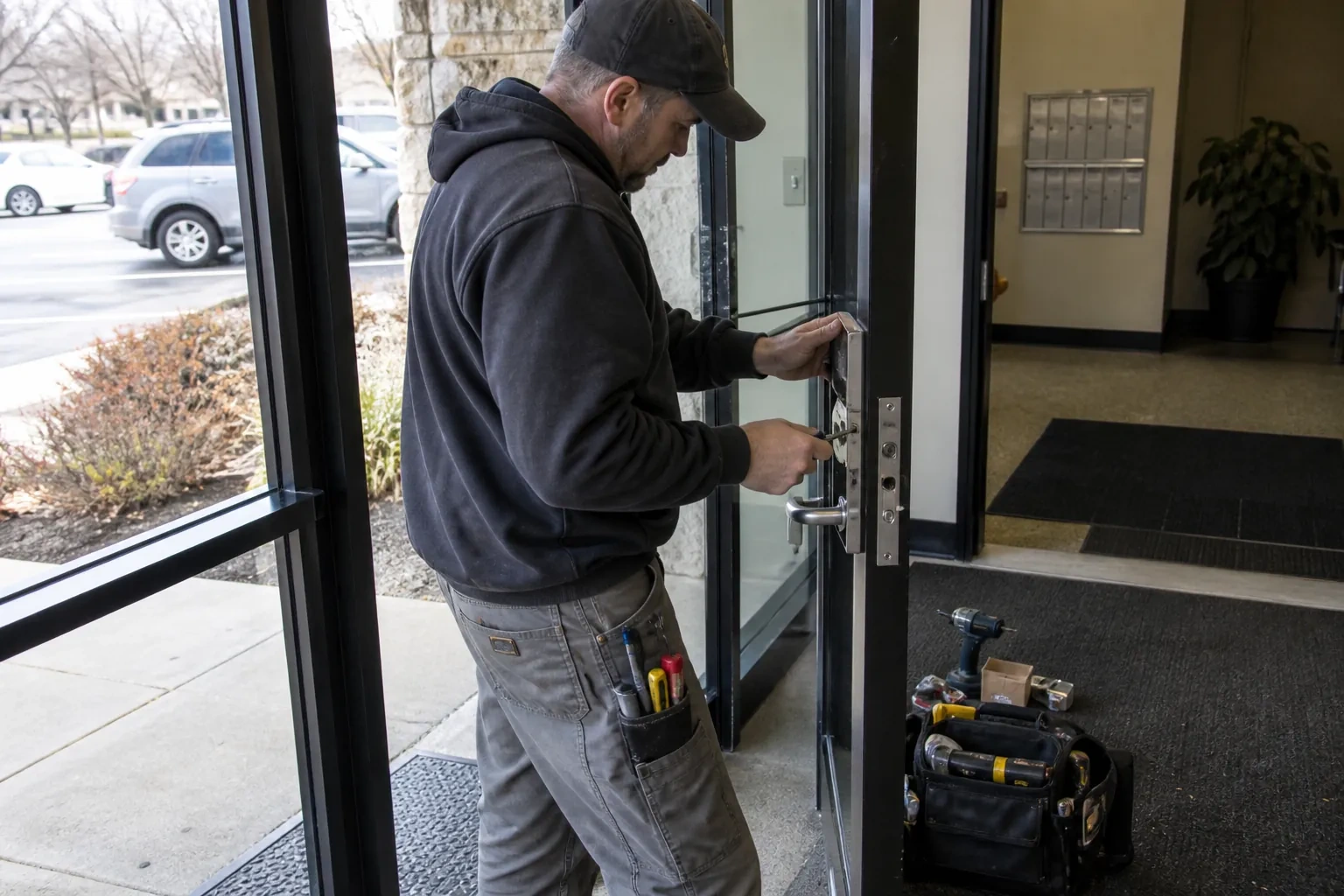
The locksmith first watches the gate or door move and checks the hardware fitted to it, then works out whether the issue sits in the lock, the closer, the hinges or the alignment of the frame itself. Whatever combination is found, the relevant piece is adjusted, rekeyed or replaced, and the whole assembly is cycled repeatedly afterward to confirm it closes, latches and locks the same way every time. Any keys involved are cut and tested before the visit is considered complete.